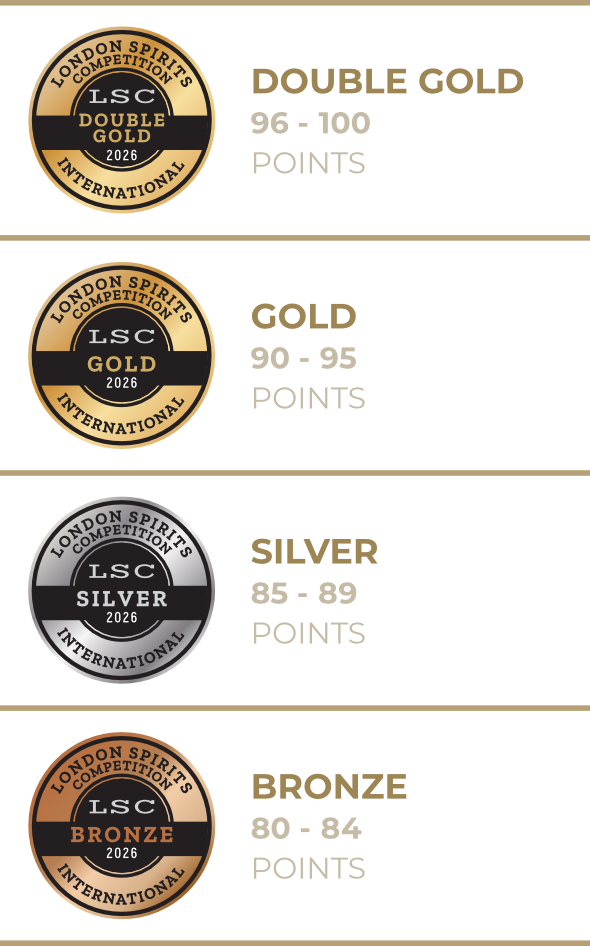
Early Deadline
30 November 2026
Judging
Date
23 & 24 March 2027
Winners Announced
22 April 2027
30 November 2026
23 & 24 March 2027
22 April 2027


For wine and spirits producers with export ambitions, the United Kingdom consistently ranks among the most attractive targets. London alone hosts thousands of restaurants, bars, and specialist retailers actively seeking new products. The appetite is real. The challenge is navigating a market that operates on relationships, category expertise, and an understanding of how buying decisions actually get made.
Here's what producers need to know before they start knocking on doors.
The UK alcohol market is built around a layered distribution system. Most spirits brands don't sell directly to bars and retailers. They work through an importer or distributor who handles the logistics, regulatory compliance, warehousing, and sales relationships that would otherwise be impossible to manage from abroad.
This means your first task isn't finding a retailer or a bar. It's finding the right distribution partner, one that already works in your category, understands your price point, and has existing relationships with the kind of accounts you want to reach.
The most targeted approach is to research distributors who already represent spirits similar to yours. A premium mezcal brand should be looking at importers with agave category expertise. A craft gin producer should seek out distributors with established relationships in the on-trade cocktail scene. Category fit matters because distributors sell to buyers who trust their curation. An out-of-place addition to a portfolio is a harder sell for everyone.
Beyond desk research, the most productive places to connect with distributors actively seeking new brands are trade events, industry tastings, and competitions. The London Spirits Competition, for instance, draws trade professionals who are specifically engaged in sourcing and evaluating new products, making it a far more commercially useful environment than consumer-facing events.
One of the most common mistakes producers make when entering the UK is pitching to the wrong person. Retail buying decisions are made by specific individuals — Category Buyers, Spirits Buyers, Heads of Buying — who manage assortments within defined price ranges and categories. At large supermarkets and drinks chains, these roles are highly specialized. At independent retailers, the owner or manager may be doing everything.
The same applies to on-trade accounts. Restaurants and bar groups typically have a Head Wine Buyer, Beverage Director, or Wine Director making purchasing decisions. Going in without knowing who holds that role wastes valuable time.
Once you get a meeting, the evaluation criteria are fairly consistent across the UK trade. Buyers consider quality and taste profile, price relative to the competition, packaging and shelf presence, brand story and authenticity, and how well the product fits current consumer demand.
That last point is worth emphasizing. The UK market rewards category awareness. Premium gin, craft whisky, and low-alcohol spirits have all seen sustained growth — brands that can credibly position themselves within trends buyers are already tracking will find a more receptive audience than those pitching against the grain.
For distributor meetings specifically, come prepared with more than samples. Distributors want to understand retail price positioning, target consumer profile, marketing support plans, and where the product fits within their existing portfolio. A compelling brand story matters, but so does commercial clarity. Distributors need to believe the product can actually sell, not just that it tastes good.
Third-party validation helps here. Award recognition from credible competitions gives distributors external evidence of quality and provides a talking point for their own sales teams when presenting the product to buyers and bar managers.
Distribution gets your product into the system. Visibility builds the brand. London's more influential bars — especially those with a craft cocktail focus — often discover new spirits through industry tastings, bartender education sessions, bar takeovers, and cocktail competitions. These touchpoints build genuine advocacy among the people who recommend bottles to consumers night after night.
Working through a distributor with strong on-trade relationships accelerates this process considerably. But producers who are willing to invest time directly in the bartender community often see returns that outlast any single listing.
Breaking into the UK and European markets rarely happens quickly. Distribution relationships take time to build, buyers rotate, and category trends shift. What gives producers the best chance of sustained success is arriving with a clear positioning, the right partners, and a realistic understanding of how purchasing decisions are made at every level of the trade.
The market is open to new products. It just rewards the ones that did their homework first.
The 2027 London Spirits Competition gives every entrant greater feedback, transparency and valuable commercial insight. Entrants will receive an expanded score breakdown, constructive feedback on how to improve their spirits, guidance on how to market and sell them, the names of the judges who tasted their entries, final feedback from the Head Judge and a Buyer Market Intelligence Report.
Enter your spirits in the 10th edition of the London Spirits Competition.