Early Deadline
30 November 2026
Judging
Date
23 & 24 March 2027
Winners Announced
22 April 2027
30 November 2026
23 & 24 March 2027
22 April 2027
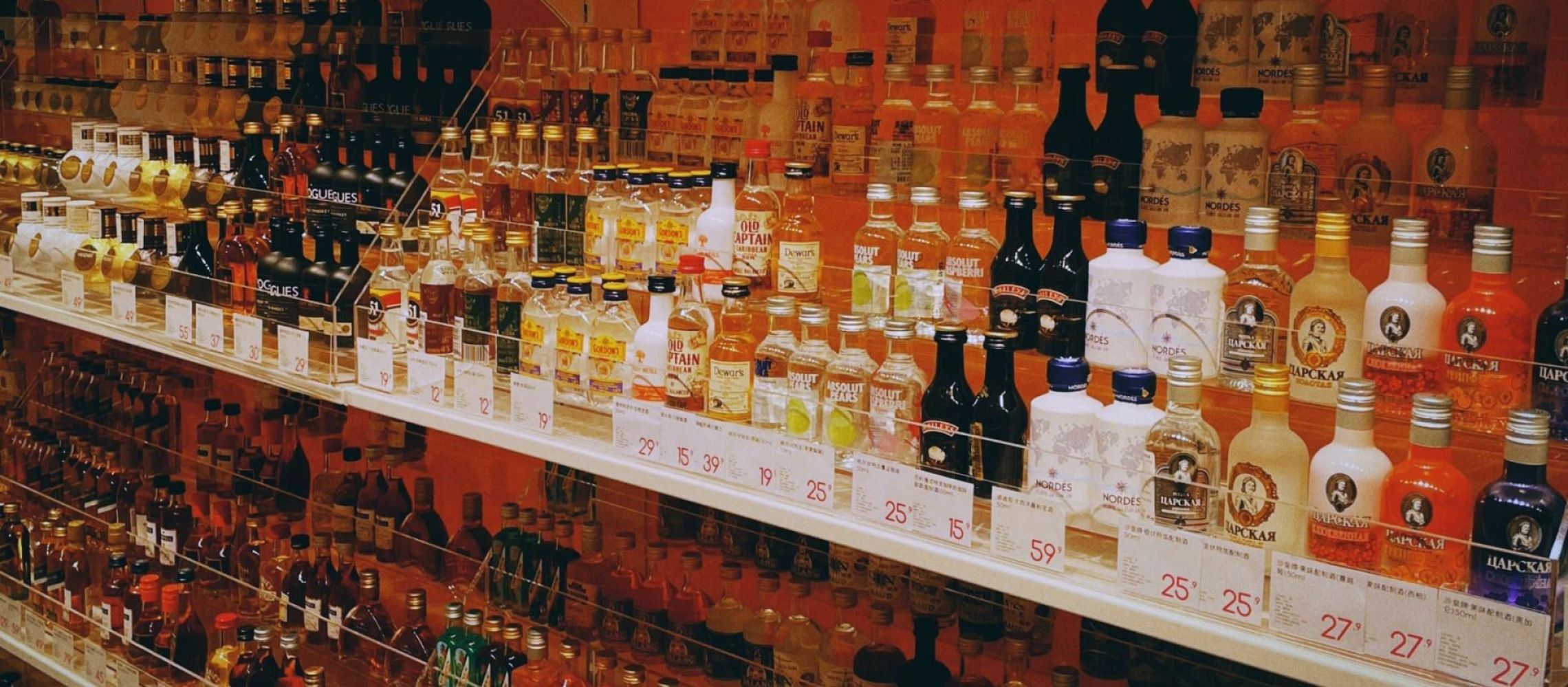
Walk into any well-stocked spirits retailer and the medals are everywhere — embossed on labels, printed on shelf talkers, referenced in product descriptions. Every one of those awards represents a deliberate commercial decision by a brand that understood a fundamental truth: in a market this crowded, third-party validation holds importance in establishing credibility for the brand.
But how exactly does a medal translate into a bottle leaving the shelf — or a distributor returning your call?
A consumer standing in front of forty gins has a problem. They can't taste before they buy, they may not recognize most of the brands in front of them, and they don't have time to research each option on their phone. They need a shortcut. A competition medal is that shortcut. It signals that someone qualified has already evaluated the product and found it worthy of recognition. For a shopper trying something new, that signal reduces the perceived risk of the purchase. It doesn't guarantee a sale, but it meaningfully improves the odds of one.
The value of an award doesn't stop with the consumer. Retailers actively use competition recognition to merchandise and promote products throughout their stores and online channels. Shelf talkers call out medals. In-store displays feature award winners. Online product listings reference competition results in the copy. This matters because a competition win doesn't just validate a product, it gives the retail team a reason to talk about it. For spirits brands, that kind of organic promotion from a trading partner is difficult to manufacture through advertising alone.
The most durable benefit of competition recognition is narrative. Brands that win credible awards don't just announce them and move on — they weave the results into their identity. Press materials, brand presentations, social media, and packaging all become vehicles for a story that now has external validation behind it.
Recognition from a competition like the London Spirits Competition, judged by working trade professionals rather than generalist panels, carries particular weight in that story. It positions the brand as one that has earned its place in the industry rather than simply claimed it.
For producers trying to break into new markets, awards serve a specific and practical function in the distributor pitch process — but it's worth being clear about the limits first. No medal will substitute for the fundamentals of a viable brand. Distributors need products with genuine quality, competitive pricing, coherent branding, and a clear market position. An award won't rescue a poorly positioned product or an unworkable margin structure.
What it can do is change how a brand is perceived before the conversation even begins. Distributors receive a high volume of pitches every year and rely on external signals to decide what's worth a closer look. A medal from a credible, trade-focused competition indicates the product has already cleared a professional evaluation hurdle — moving it from the unknown pile to the worth-a-conversation pile. In a competitive field, that's a meaningful shift.
There's a subtler benefit that producers often underestimate. Walking into a distributor meeting with an award transforms the dynamic of the pitch. Rather than asking a buyer to take your word for the quality of the product, you're presenting external evidence from people the buyer may well know and respect. The conversation moves from assertion to validation.
This is especially true of competitions judged by working trade professionals — buyers, bartenders, importers, bar managers, and hospitality directors — whose endorsements carry commercial credibility that generalist panels simply can't replicate. Recognition from a London-based competition can open conversations with buyers in Europe, Asia, or North America who might otherwise have no basis for evaluating an unfamiliar producer.
The single most important thing to understand about competition awards is that they don't work passively. A medal sitting in an email announcement generates nothing. The brands getting real commercial value from awards are those treating recognition as a marketing asset to be deployed across every relevant channel — updated packaging, press releases, social media campaigns, trade outreach, and in-store materials all working together to reinforce the same message.
When that activation is done well, the effect compounds. A distributor who sees a medal on a bottle, then sees it referenced in a pitch deck, then encounters it in a trade publication, is receiving consistent signals from multiple directions. That kind of reinforcement builds the impression of a brand with momentum and credibility — exactly what buyers want to see before committing portfolio space.
The medal is the starting point. What happens next determines whether it actually sells bottles.
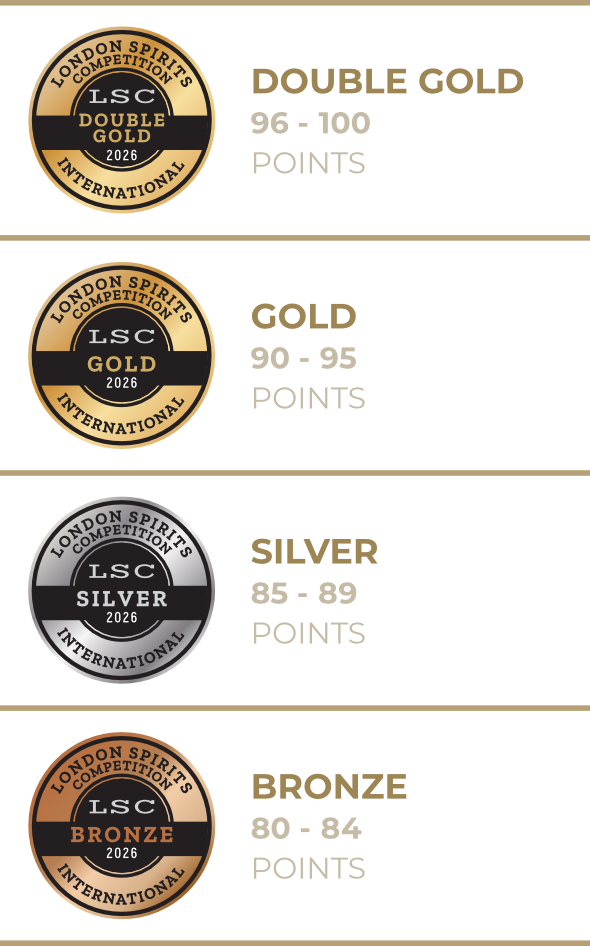
The 2027 London Spirits Competition gives every entrant greater feedback, transparency and valuable commercial insight. Entrants will receive an expanded score breakdown, constructive feedback on how to improve their spirits, guidance on how to market and sell them, the names of the judges who tasted their entries, final feedback from the Head Judge and a Buyer Market Intelligence Report.
Enter your spirits in the 10th edition of the London Spirits Competition.