Early Deadline
30 November 2026
Judging
Date
23 & 24 March 2027
Winners Announced
22 April 2027
30 November 2026
23 & 24 March 2027
22 April 2027

The European spirits market is at an inflection point. For years, the shelves of importers and distributors across the EU have been dominated by familiar names. British gins with their classic juniper profiles, French liqueurs with centuries of heritage, Scandinavian aquavits riding the Nordic wave. But a quieter, more deliberate shift is now underway, and it is being driven by geography, biodiversity, and a growing consumer hunger for the authentic.
Provenance isn't just a premium talking point anymore, but an important purchasing criterion.
Across the EU, a measurable pivot toward origin-led spirits is reshaping import decisions. Consumers, particularly in Germany, the Netherlands, Scandinavia, and the Benelux markets, are increasingly scrutinising what goes into a bottle and where it comes from. The same instinct that drove the natural wine movement and the single-origin coffee boom is now arriving in premium spirits. Buyers want a story they can trace, a landscape they can picture, and a flavour that cannot be replicated anywhere else.
This is precisely where Croatia enters the conversation. And does so with considerable force. Croatia's Dalmatian hinterland is, botanically speaking, extraordinarily rich. Coastal hillsides dense with wild rosemary, juniper, sage, rock rose and mint have sustained local communities for centuries. The Neretva Valley produces some of the most aromatic citruses in the Mediterranean. Figs, sour cherries, peaches, and strawberries grow in abundance across micro-regions that have, until recently, remained largely invisible to the international spirits trade. That invisibility is becoming an advantage.
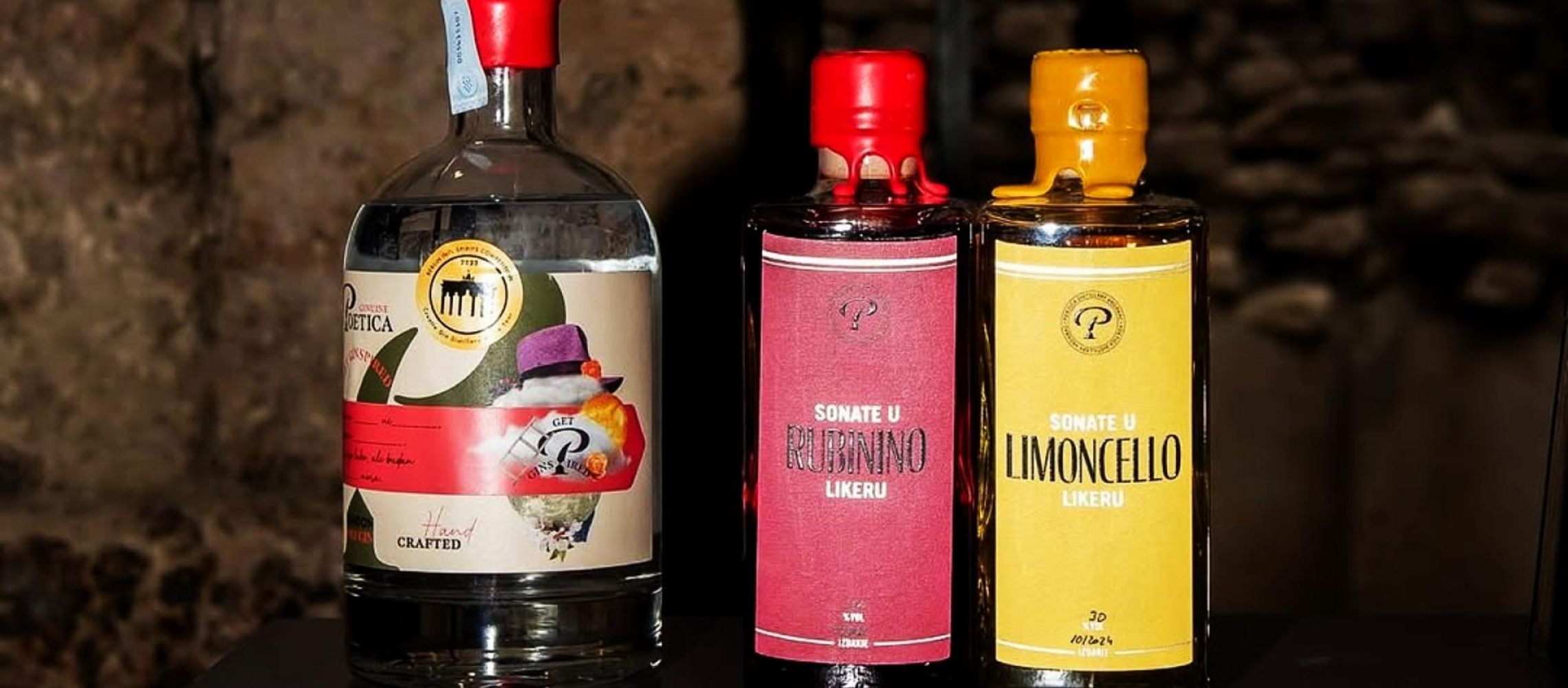
Poetica Gin, produced in the Vrgorac area of southern Croatia, exemplifies the commercial logic of hyperlocal sourcing done with intention. The distillery draws the vast majority of its botanicals from within 20 to 30 kilometres of production — rosemary, juniper, citrus from the Neretva Valley, sage from the surrounding hills. Less than 10% of total inputs, across all product lines, are sourced from outside the region. That figure is not just an ethical credential; it is a supply chain story that resonates strongly with EU buyers navigating a post-pandemic market where traceability and sustainability have moved from nice-to-have to table-stakes.
Co-founder Drago Nosic puts the philosophy plainly: the goal was never to make a gin that resembles what is already on the shelf. It was to make something that could only come from this specific terroir. The juniper that anchors Poetica Gin's profile, for instance, grows wild across hills that locals once considered too barren to farm. That botanical history is now a point of distinction.
The commercial opportunity here is concrete. The EU premium gin segment, while maturing in core markets, continues to show growth in experiential and artisan sub-categories. Importers looking to differentiate their portfolios are increasingly looking east and south — toward lesser-explored production regions that offer genuine novelty without sacrificing quality credentials.
Poetica Gin's London Dry expression — its flagship export product — has earned silver at the London Spirits Competition and gold at the International Wine and Spirit Competition, with a shortlist placing for Best London Dry Gin in 2024. These are not peripheral accolades. They signal a product that competes on quality at an international level while carrying a provenance story that most British or Western European competitors simply cannot match.
Beyond gin, the distillery's Rubinino Liquor — an eight-component fruit and herbal liqueur built on cherries, strawberries, figs, and peaches, balanced with rosemary, sage, mint, and lavender — represents a category with strong on-trade potential in markets where aperitivo culture is expanding. A Cognac-method brandy, capped at 3,000 bottles annually, further signals the depth of craft and the deliberate choice to remain small in order to remain exceptional.
For distributors curating premium portfolios, Croatian spirits currently occupy a rare position: credible in quality, compelling in narrative, and genuinely underrepresented. The provenance story is not manufactured. It is the product of real geography, real agricultural tradition, and real restraint in production scale. The EU spirits shelf is crowded. But it is not full of Croatia. That gap, right now, is an opening.
Header image sourced from Poetica Gin (Instagram).
The 2027 London Spirits Competition gives every entrant greater feedback, transparency and valuable commercial insight. Entrants will receive an expanded score breakdown, constructive feedback on how to improve their spirits, guidance on how to market and sell them, the names of the judges who tasted their entries, final feedback from the Head Judge and a Buyer Market Intelligence Report.
Enter your spirits in the 10th edition of the London Spirits Competition.