Early Deadline
30 November 2026
Judging
Date
23 & 24 March 2027
Winners Announced
22 April 2027
30 November 2026
23 & 24 March 2027
22 April 2027

For many spirits producers, entering an international competition can seem daunting. The London Spirits Competition is designed to make that process as straightforward as possible. Understand not just how to enter, but how judging works and what the results mean commercially. Here's everything you need to know.
Producers begin by creating an entry through the competition portal, submitting key details including brand name, spirit category, alcohol percentage, retail price, and country of origin. Accurate categorisation ensures the spirit is judged against the right peers — a craft gin evaluated alongside other gins, an aged whisky measured against comparable styles and so on — which directly affects the relevance and credibility of any recognition earned.
The competition accepts entries across the full range of spirits categories, from whisky, gin, vodka, rum, and tequila to brandy, liqueurs, flavoured spirits, and ready-to-drink products. Entries come from distilleries across the globe, from small craft producers making their first foray into international recognition to established brands seeking validation in new markets.
Each entry requires a submission fee. The competition typically offers discounted rates for early entries, so producers who register ahead of standard deadlines can reduce their costs while securing a place in the judging pool.
Once registration is complete, producers ship their samples to the competition warehouse. These bottles are used during the blind tasting sessions — meaning each spirit is assessed entirely on its own merits, with no influence from brand recognition, marketing presentation, or reputation. The blind format is fundamental to the integrity of the results.
This is where the London Spirits Competition differs most meaningfully from many of its peers. Most competitions evaluate spirits on a single dimension: how they taste. The London Spirits Competition scores entries across three criteria, because those are the three factors that drive real purchasing decisions at every level of the trade.
Quality covers the liquid itself — aroma, balance, flavour complexity, texture, mouthfeel, and finish, all assessed blind by the judging panel. Value considers how the spirit performs relative to its retail price point, because a product that delivers exceptional quality at a fair price is a more compelling commercial proposition than one that merely tastes good. Packaging evaluates bottle design, label clarity, visual impact, and overall shelf presence — because how a spirit looks directly influences whether a consumer picks it up.
A spirit that scores brilliantly on taste but is mispriced for its category, or arrives in packaging that doesn't work on shelf, will struggle commercially regardless of what's in the bottle. Judging frameworks that ignore this don't reflect how buyers actually think. This one does.
Equally important is who is doing the judging. The competition draws its panel from working professionals across the beverage trade — buyers, bartenders, importers, bar managers, and hospitality directors who are actively involved in purchasing decisions in their own businesses. For distributors and retail buyers reviewing an unfamiliar brand, a medal endorsed by their industry peers carries considerably more weight than recognition from a generalist panel.
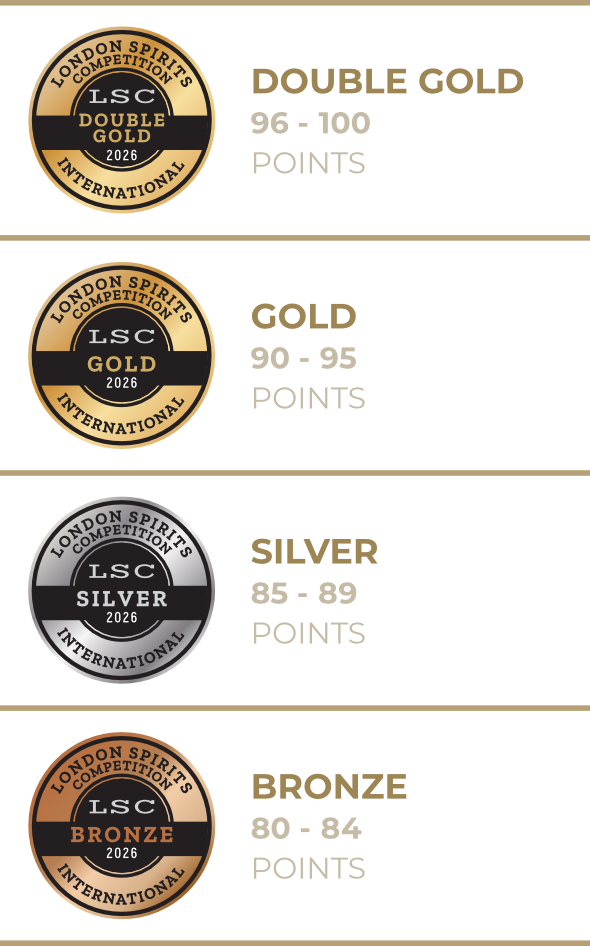
Results are announced following the judging period, and winning brands receive medals alongside marketing materials they can activate across packaging, press, and trade communications. That activation is where the real commercial value is realised and a medal only creates impact if it's put to work.
For brands targeting export markets, recognition from a London-based competition with strong international trade credibility travels well. It provides a neutral, globally understood endorsement that can open conversations with importers and buyers in markets where the brand has no existing presence. For newer producers, appearing alongside established names in the same judged field and earning recognition on those terms carries its own credibility signal.
The entry process takes a matter of steps. The results, used strategically, can open doors that would otherwise take considerably longer to unlock.
The 2027 London Spirits Competition gives every entrant greater feedback, transparency and valuable commercial insight. Entrants will receive an expanded score breakdown, constructive feedback on how to improve their spirits, guidance on how to market and sell them, the names of the judges who tasted their entries, final feedback from the Head Judge and a Buyer Market Intelligence Report.
Enter your spirits in the 10th edition of the London Spirits Competition.