Early Deadline
30 November 2026
Judging
Date
23 & 24 March 2027
Winners Announced
22 April 2027
30 November 2026
23 & 24 March 2027
22 April 2027
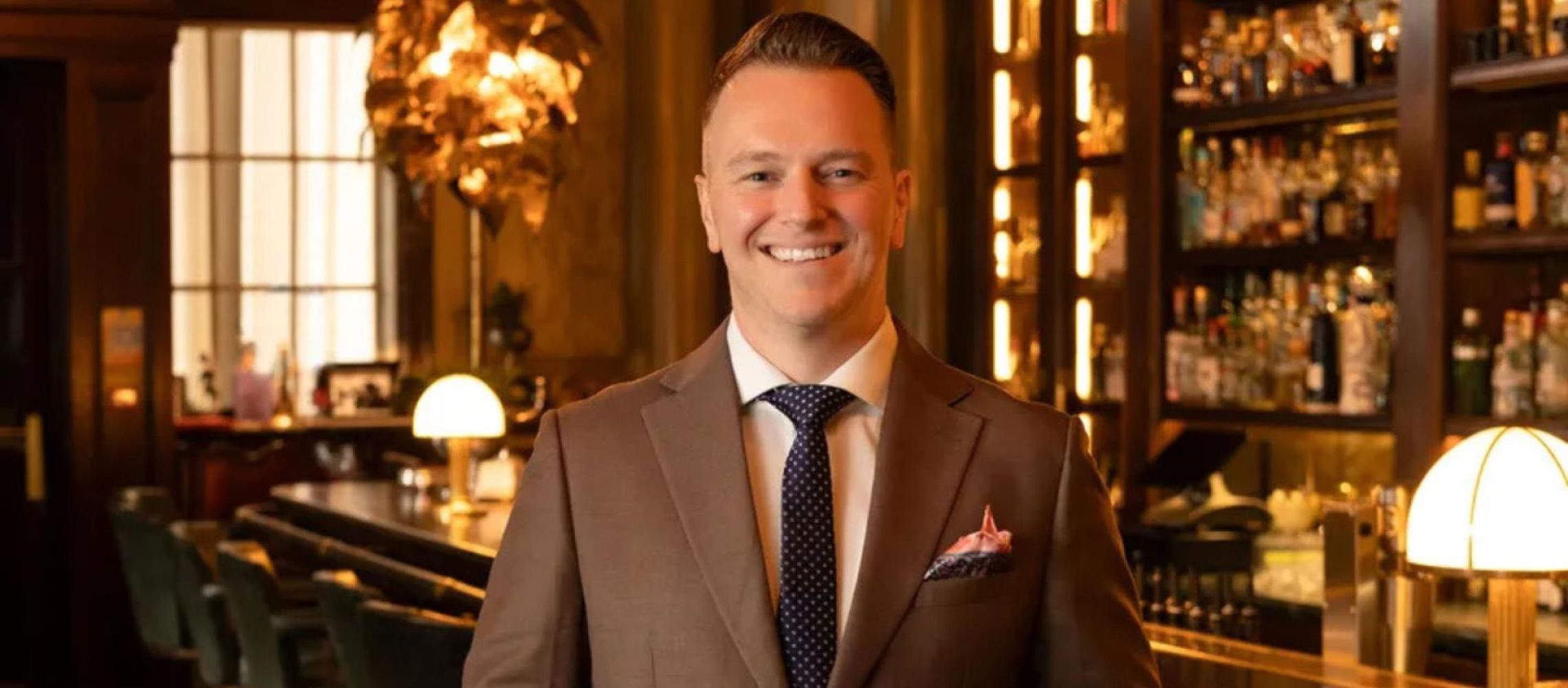
In high-end hospitality, creativity tends to get the attention. New techniques, elaborate cocktails, ambitious menus and increasingly sophisticated guest experiences are the visible parts of the business. The less glamorous machinery underneath them is easier to overlook.
For Andrew Loudon, Director of Bars at Rosewood London, that machinery is where much of the real work happens. From bartender training and menu design to operational systems, brand partnerships and judging spirits blind, his approach is built around a simple idea: creativity only works when the operation can deliver it consistently.
That philosophy also informs how he thinks about innovation. Technical complexity is not automatically valuable, training is only useful if behaviour changes, and a great cocktail menu ultimately has to survive a busy Friday night rather than simply look impressive on paper.
Here, Loudon discusses how to build systems that support creativity, what effective bartender development really looks like, and why the strongest hospitality operations often make their hardest work invisible to the guest.
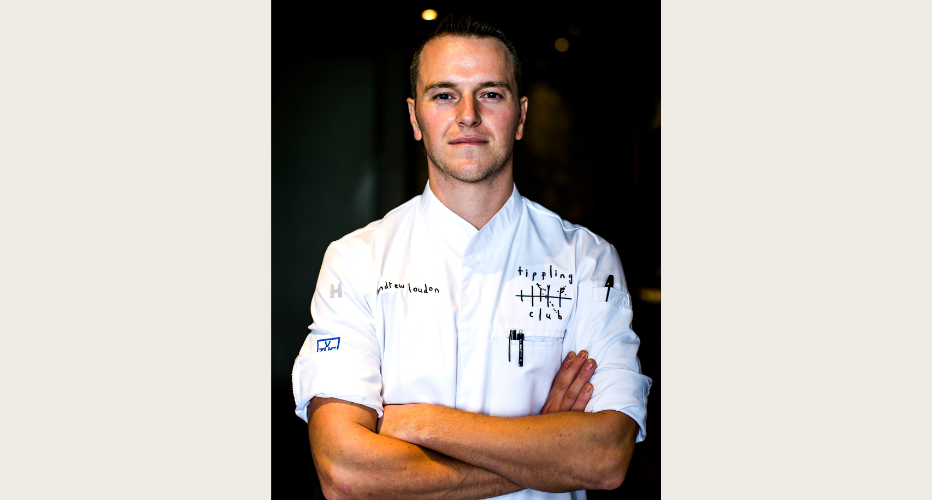
For Andrew Loudon, Director of Bars at Rosewood London, that machinery is where much of the real work happens. From bartender training and menu design to operational systems, brand partnerships and judging spirits blind, his approach is built around a simple idea: creativity only works when the operation can deliver it consistently.
That philosophy also informs how he thinks about innovation. Technical complexity is not automatically valuable, training is only useful if behaviour changes, and a great cocktail menu ultimately has to survive a busy Friday night rather than simply look impressive on paper.
Here, Loudon discusses how to build systems that support creativity, what effective bartender development really looks like, and why the strongest hospitality operations often make their hardest work invisible to the guest.
I don't see creativity and consistency as opposing forces. In great bars, consistency creates the platform that allows creativity to thrive.
The mistake many operators make is trying to control every creative decision. Instead, I focus on creating very clear non-negotiables. Service standards, mise en place, drink specifications, cleanliness, guest recognition, and execution all need to be absolutely consistent. Once those foundations are established, people should have room to contribute ideas.
I encourage creativity through structured channels rather than during live service. Team members are involved in menu development, flavour trials, product evaluations, and guest experience discussions. Everyone has an opportunity to contribute, but ideas must be tested against operational reality. Can it be executed 200 times on a busy Friday? Can another bartender reproduce it exactly? Does it improve the guest experience?
The goal is not individual expression. The goal is collective excellence. Guests should feel the personality of the team, not the inconsistency of different bartenders. The most creative bars I have worked with are often the most disciplined because everyone understands where innovation belongs and where consistency must win.
One of the biggest discoveries was that bartenders rarely learn in the way training programmes are traditionally designed.
The industry often treats training as knowledge transfer. We gather people in a room, present information, conduct tastings, and assume learning has happened. In reality, most bartenders learn through repetition, observation, coaching, and practical application during service. We should strive to live in a constant loop of Education, Replication, Application, Innovation, Evaluation.
What matters is not what someone knows immediately after a training session. What matters is what they can still apply three weeks later during a busy shift.
The industry also tends to separate training from productivity. We often assume training is something that happens away from operations, when in fact the best learning is embedded within operational activity. Learning how to organise a station, manage prep efficiently, communicate clearly, or prioritise tasks during peak periods can have a greater impact on performance than memorising additional brand facts.
Another common mistake is measuring participation rather than outcomes. Attendance is easy to track. Behaviour change is harder. The question should always be: what has improved as a result of this training? Is service faster? Are mistakes reduced? Is guest engagement stronger?
The future of bartender development is more effective training. We need to spend less time delivering information and more time creating systems that reinforce practical skills every day.
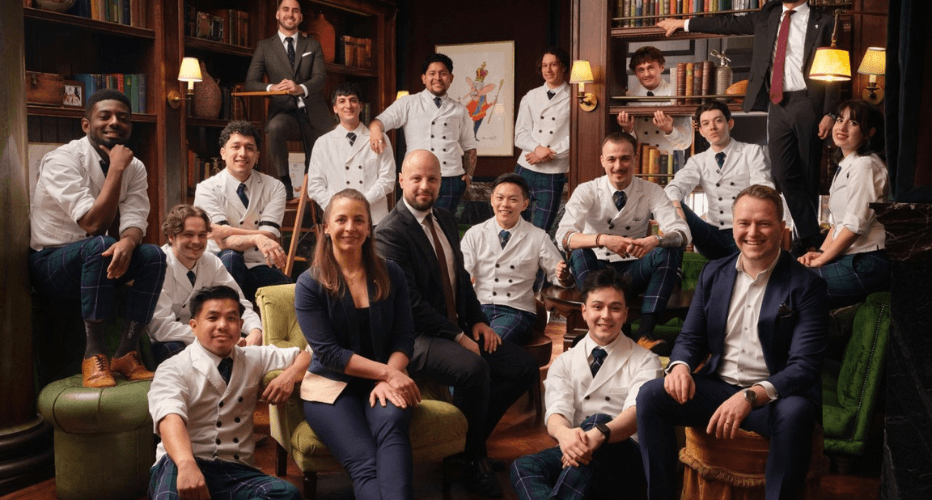
Image: The bar team at Scarfes Bar, Rosewood London. Source: Andrew Loudon
The first sign is flow. A well-designed cocktail programme moves naturally through service without creating bottlenecks.
When evaluating a menu operationally, I look at preparation requirements, station movement, glassware demand, ingredient overlap, production time, and training complexity. If one drink requires three people and five minutes to execute, it may be an excellent cocktail but a poor menu item.
The second sign is consistency. The best cocktail programmes reduce unnecessary variables. Ingredients are shared intelligently across the menu, preparation methods are repeatable, and specifications are clear. This creates confidence among the team and consistency for guests.
The third sign is commercial performance. Guests often tell you very quickly whether something is working. If recommendations convert easily, if drinks are reordered, and if service remains smooth throughout peak periods, that is usually a stronger indicator of success than industry praise.
Ultimately, a cocktail programme succeeds when guests experience creativity while the operation experiences simplicity. The more invisible the operational effort feels, the better the programme has been designed.
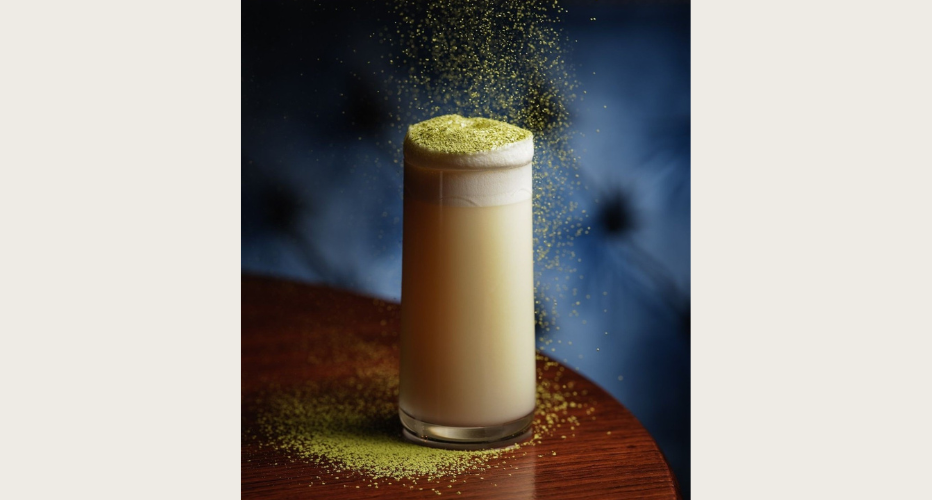
Image: Scarfes Bar's edition of the Ramos Gin Fizz.
The brands that earn long-term advocacy understand that bartenders are practical people.
Quality is the starting point. Without a great liquid, nothing else matters. But beyond that, brands need to help operators solve problems. They need to fit a cocktail programme, provide reliable supply, offer meaningful education, and demonstrate an understanding of how bars actually function.
The most successful brands build partnerships. They invest in training, support menu development, create opportunities for teams, and maintain relationships long after the initial listing.
Bartenders also appreciate authenticity. They can quickly recognise when a story is being manufactured for marketing purposes. Genuine heritage, actual innovation, or a clear production philosophy will always resonate more strongly than buzzwords.
The brands that gain true advocacy are the ones that make a bartender's job easier. They become part of the team's toolkit rather than simply another bottle on the shelf.
Innovation should solve a problem, improve an experience, or create a meaningful emotional connection.
Whenever we assess a new idea, we ask a simple question: would the guest notice if we removed it? If the answer is no, then it may be complexity rather than value.
Luxury guests are not necessarily looking for the most complicated experience. They are looking for the most memorable one. Those are very different things.
Sometimes innovation comes through technology, advanced techniques, or unique products. Other times it comes through storytelling, personalisation, service design, or attention to detail. The most successful innovations are often the ones guests barely notice because they simply make the experience feel better.
I am generally cautious about innovation that increases operational burden without significantly enhancing the guest journey. Just because something is technically impressive does not mean it creates value.
The best innovation feels effortless from the guest's perspective and sustainable from the operator's perspective.
Blind judging is one of the most useful exercises in the industry because it removes bias.
Without packaging, reputation, or marketing influence, you are forced to focus entirely on the liquid. It reminds us that quality must always come first.
However, judging also highlights that success in a bar is rarely determined by quality alone. Great products exist within a broader ecosystem. Value matters. Packaging matters. Storytelling matters. Guest perception matters.
What blind judging does is create proper balance. It prevents us from overvaluing branding while also preventing us from ignoring the realities of the market.
A spirit may be exceptional, but if it is priced incorrectly, difficult to explain, or unsuitable for the operating environment, it may struggle commercially. Equally, a brilliantly marketed product cannot sustain long-term success if the liquid disappoints.
The strongest products are those that perform across every category. They deliver excellence in the glass while also providing clear value and a compelling proposition for both operator and guest.
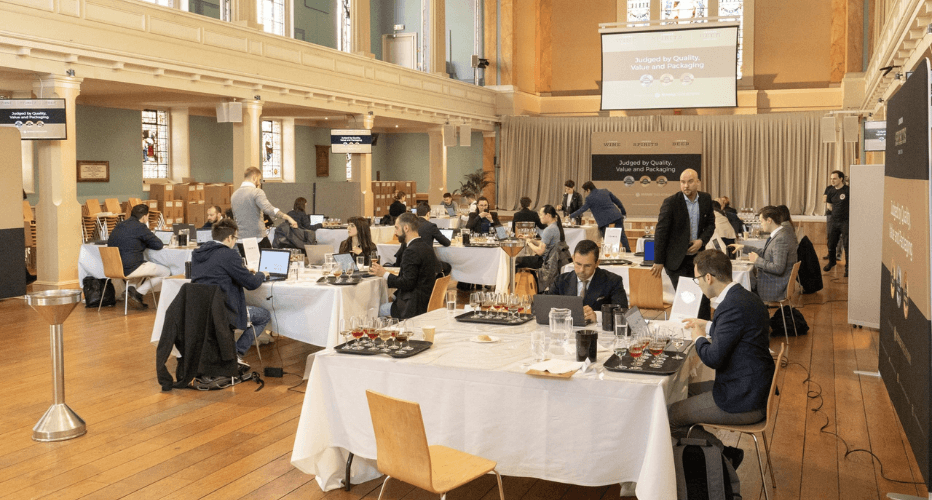
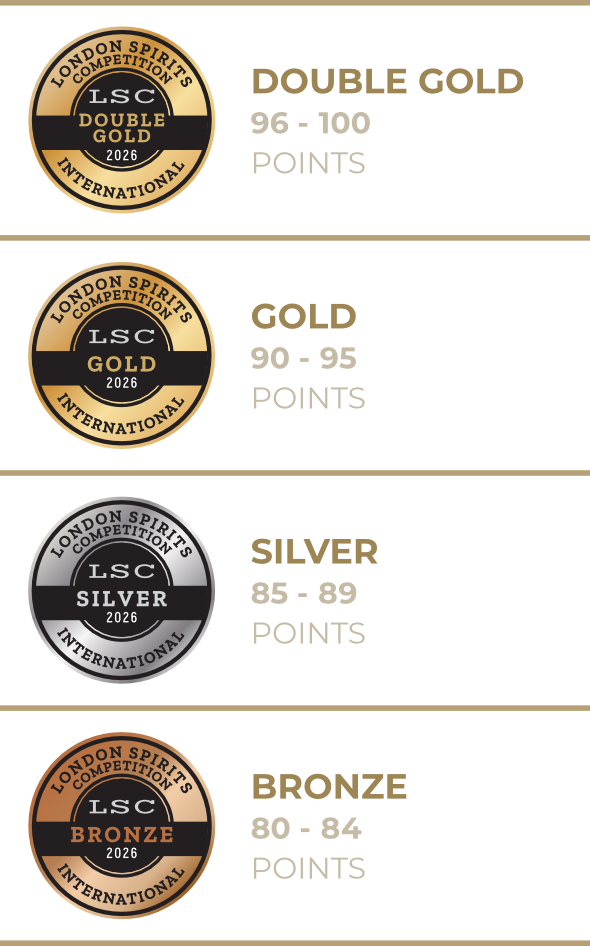
Image: London Spirits Competition.
If I had to choose one thing, I would say systems.
Exceptional drinks attract attention. Exceptional people create culture. But systems are what allow excellence to happen repeatedly.
The reality of modern hospitality is that guests expect world-class service every day, not only when the best team members are working. Strong systems create consistency regardless of volume, staffing changes, or operational pressures.
The best bars have systems for training, communication, preparation, quality control, stock management, guest recovery, and continuous improvement. These systems are often invisible to guests, but they are the reason memorable experiences can be delivered night after night.
Importantly, systems should not replace or reduce people. They are there to empower people. They create the structure that allows talented individuals to focus more of their energy on hospitality, creativity, and guest connection.
In the end, great bars are not built on cocktails alone. They are built on the ability to consistently deliver a feeling. The strongest systems make that journey to the guests' feeling possible.
[[relatedPurchasesItems-67]]
There are quite a few things I could talk about for hours if given the chance. Family and fatherhood would probably top the list. Nothing has shaped me more as a person, and it continues to teach me lessons every day.
I am also passionate about CrossFit and Muay Thai. I enjoy the challenge, the discipline, and the constant pursuit of improvement. They provide a great balance to the demands of hospitality.
And finally, I love reading. Whether it is a great novel, a biography, or something that challenges the way I think, books have always been one of my favourite ways to switch off while continuing to learn.
In conversation with Malvika Patel, Editor and VP, Beverage Trade Network
Also Read:
UKBG President Claudia Carrozzi on the Future of Bartending
Know Your Judge: Harp Mann
Craig Wallace: What It Takes to Create Award-Winning Whisky
The 2027 London Spirits Competition gives every entrant greater feedback, transparency and valuable commercial insight. Entrants will receive an expanded score breakdown, constructive feedback on how to improve their spirits, guidance on how to market and sell them, the names of the judges who tasted their entries, final feedback from the Head Judge and a Buyer Market Intelligence Report.
Enter your spirits in the 10th edition of the London Spirits Competition.