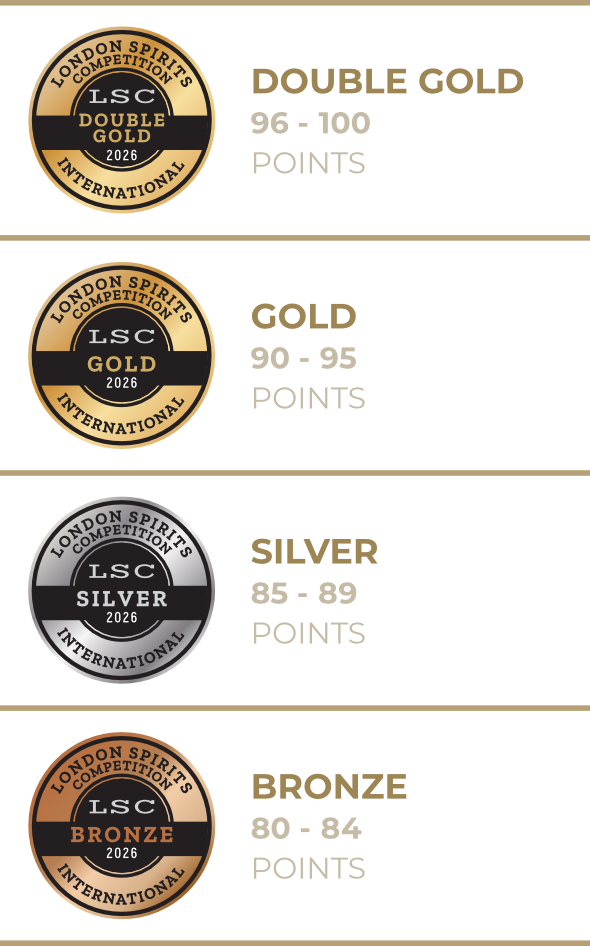
Early Deadline
30 November 2026
Judging
Date
23 & 24 March 2027
Winners Announced
22 April 2027
30 November 2026
23 & 24 March 2027
22 April 2027
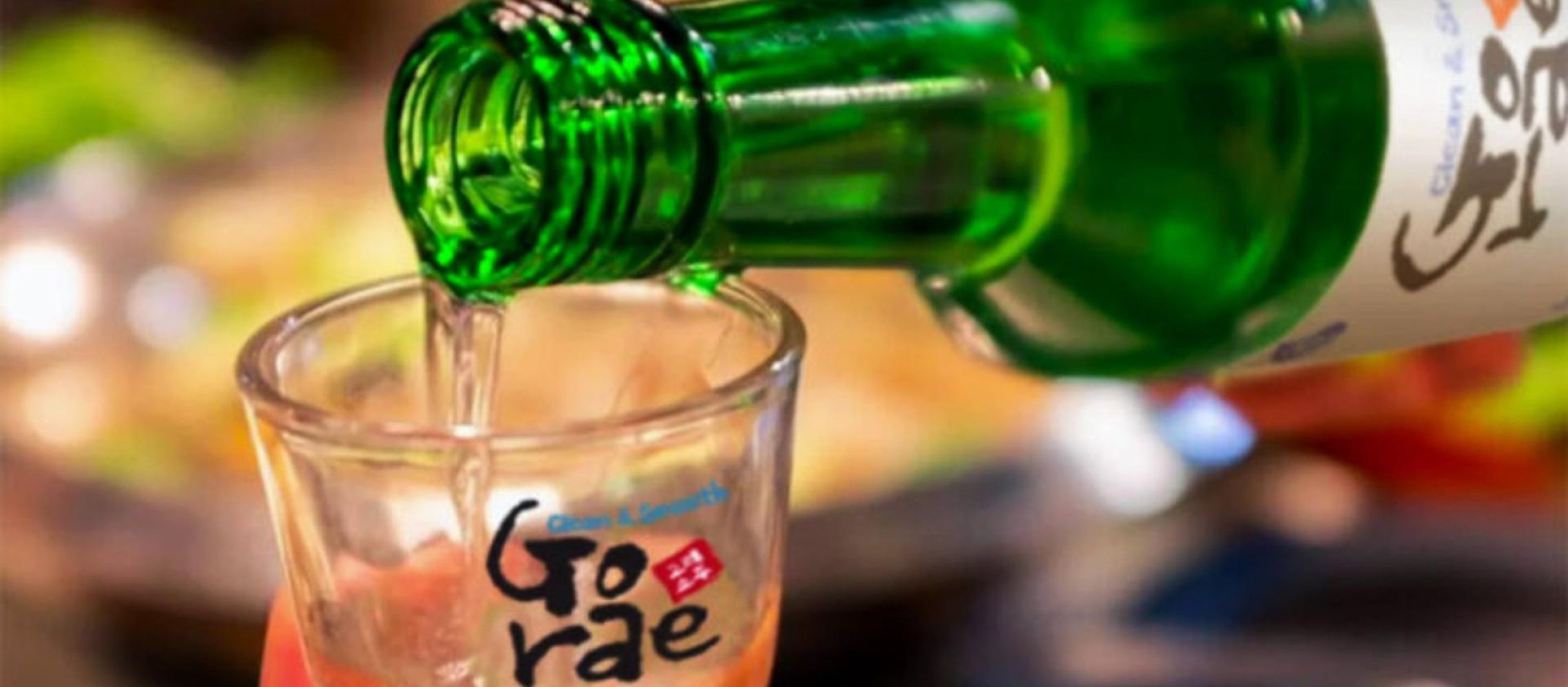
Once poured almost exclusively alongside Korean meals, soju has undergone a quiet but powerful transformation. What began as Korea’s national drink—valued for its simplicity, sociability, and accessibility—is now emerging as a globally relevant spirit, finding new audiences across cocktail bars, retail shelves, and contemporary drinking occasions.
This evolution is being driven by changing consumer preferences, the global rise of Korean pop culture, and strategic innovation across production and distribution. Together, these forces are redefining soju’s identity—from a local staple to a category with international scale.
Traditionally, soju was prized for its clean, neutral profile. That neutrality remains central to its appeal, but modern consumers are increasingly drawn to variety. According to Lucintel, flavor diversification has become one of the strongest growth drivers in the soju market, with fruit-infused expressions such as strawberry, peach, grapefruit, and mango significantly broadening its consumer base.
Flavored soju has proven especially effective as a gateway for new and younger drinkers, lowering the barrier to entry while expanding soju’s versatility. These expressions work equally well as easy-drinking standalone options or as adaptable cocktail components, accelerating soju’s uptake in both on- and off-trade environments.
Soju’s relatively low alcohol content—typically between 17 and 20 percent ABV—has become a defining advantage as global drinking habits shift toward moderation. Positioned between beer, wine, and full-strength spirits, soju offers a sessionable alternative that aligns naturally with wellness-conscious consumption.
This lighter profile has widened soju’s use cases, making it suitable for longer social occasions, food-led experiences, and casual gatherings where consumers want to stay engaged without overconsuming. As demand for low- and no-alcohol options continues to grow, soju’s inherent balance places it in a strong position globally.
Soju’s neutral character has also made it increasingly relevant in cocktail culture. Bartenders around the world are experimenting with it as a substitute for vodka or white rum, particularly in Korean-inspired and fusion-style drinks. Its ability to carry flavors without overpowering them has helped soju integrate seamlessly into contemporary bar programs.
This mixology-driven visibility has played a critical role in moving soju beyond traditional straight consumption, introducing it to new audiences through menus, cocktail lists, and at-home experimentation.
While accessibility remains key, soju is also moving upmarket. Premium and craft expressions are gaining traction, emphasizing refined ingredients, traditional distillation techniques, and elevated packaging. These offerings appeal to consumers seeking sophistication and nuance, expanding the category beyond its historic value positioning.
At the same time, soju’s connection to Korean food culture and communal dining remains central to its identity. Positioning soju as part of an immersive Korean dining experience—rather than just a standalone spirit—has proven especially compelling in markets experiencing rapid growth in Korean cuisine.
As soju expands internationally, success depends not only on demand but on execution. Regulatory complexity, local taste preferences, and competitive spirits landscapes present real challenges for brands entering new markets.
This is where Realtrade has played a defining role. As the first company in Korea to offer private-label soju to the global market, Realtrade has helped translate soju’s heritage into formats that resonate internationally. Since 2016, the company has developed more than 30 private-label brands, spanning economy to premium tiers and offering over 30 flavor options.
Rather than exporting a one-size-fits-all product, Realtrade supports partners across every stage of development—from customized formulas tailored to local palates, to label design that reflects each brand’s story, and packaging formats aligned with retailer preferences. This flexibility allows buyers to position soju authentically within their own markets, whether as a cocktail base, a flavored entry point, or a premium cultural expression.
Beyond production, Realtrade provides promotional materials, expert documentation, and buyer-friendly commercial terms, reinforcing its role as a long-term partner rather than a transactional supplier.
Export growth, flavor innovation, strategic partnerships, and digital engagement are all accelerating soju’s global momentum. While challenges remain—from regulatory barriers to competition with established local spirits—the category’s fundamentals are strong.
Soju’s evolution reflects broader shifts in global drinking culture: lighter alcohol, greater versatility, and deeper cultural storytelling. With partners like Realtrade bridging Korean expertise and international market needs, soju is no longer just Korea’s national drink—it is a global one, shaped for modern consumers without losing its roots.
Header image sourced from Realtrade.
The 2027 London Spirits Competition gives every entrant greater feedback, transparency and valuable commercial insight. Entrants will receive an expanded score breakdown, constructive feedback on how to improve their spirits, guidance on how to market and sell them, the names of the judges who tasted their entries, final feedback from the Head Judge and a Buyer Market Intelligence Report.
Enter your spirits in the 10th edition of the London Spirits Competition.