Early Deadline
30 November 2026
Judging
Date
23 & 24 March 2027
Winners Announced
22 April 2027
30 November 2026
23 & 24 March 2027
22 April 2027
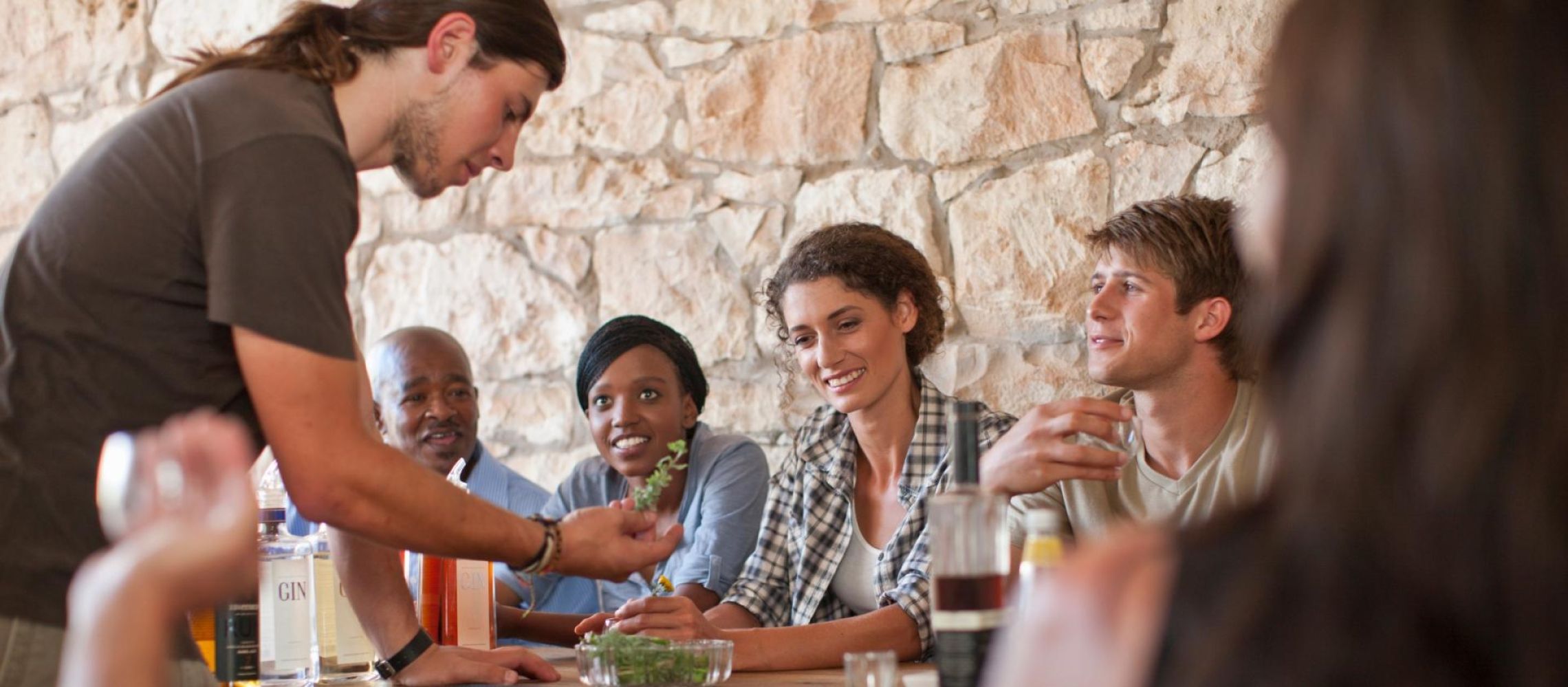
If there is one constant in human behaviour, it is that passion transfers. When people are allowed to see effort, craftsmanship and intent up close, they are far more likely to value and advocate for the end result. This principle sits at the heart of distillery tourism.
A distillery tour is not simply a walkthrough of equipment. It is a behind-the-scenes look at how a spirit journeys from grain to bottle, revealing the decisions, risks, and patience that shape the final liquid. When this experience is layered with guided tastings, masterclasses, and interactive workshops, it becomes more than education. It becomes emotional investment. And emotional investment is what turns visitors into buyers.
As Matthew Porritt—Manager at International Beverage Brand Homes—succinctly puts it: “If you can get your visitor experience right, every guest will leave your distillery as an enthusiast, buying and recommending your brand for years to come.”
Distillery tours occupy a rare position in the alcohol value chain: they influence both immediate revenue and long-term brand equity. On-site purchases often carry higher margins than wholesale sales, but the true commercial impact extends far beyond the gift shop. The Irish Whiskey Association’s latest figures illustrates clearly that over one million visitors toured Irish whiskey distilleries in the 12 months to June 2025, an increase of 23% year-on-year and the strongest performance since before the pandemic. Average on-site spend reached €41.24 per visitor, generating more than €41.6 million in direct economic benefit to local communities.
What makes these numbers especially striking is the context. Irish tourism overall experienced a softer year, with declining business confidence reported across the broader experience economy. Whiskey tourism, however, continued to grow, highlighting that consumers are not cutting back on experiences altogether. They are prioritising premium, immersive, culturally grounded ones. For distilleries, this reinforces a crucial point: visitor experiences are a resilient and increasingly important sales channel.
Traditional spirits marketing relies heavily on storytelling at a distance through labels, ads, social content, and point-of-sale materials. Distillery tours collapse that distance entirely. When consumers stand next to fermenters, smell mash in production, or hear a distiller explain why a particular cut was chosen, abstract brand claims turn into tangible proof. Complexity becomes credibility and price becomes contextualised. This is particularly important in a market where premiumisation continues to drive growth, but price sensitivity remains high. Distillery tours do what no marketing campaign can do alone: they justify price through experience.
Industry data suggests distillery tourism is benefiting from several overlapping macro trends:
Growing Interest in Craft Spirits
The global craft spirits market was projected to reach $34.4 billion by 2025, driven by strong annual growth. This has translated into rising visitor numbers at distilleries, with many reporting double-digit increases year-on-year. Consumers increasingly seek out artisanal production, local provenance, and authenticity, qualities best communicated in person.
Rise of Experiential Travel
Experiential travel is expected to account for around 60% of the global travel market by 2025. Travellers are actively seeking immersive, hands-on activities rather than passive sightseeing. Distillery tours align perfectly with this shift, offering education, sensory engagement, and cultural context in one experience.
Expansion of Festivals and Events
The rapid growth of whiskey festivals has further fuelled interest in distillery visits. These events act as discovery platforms, converting festival-goers into future distillery tourists, extending the sales journey well beyond the initial tasting.
The most effective distilleries treat tours not as isolated experiences, but as content engines and customer acquisition tools.
Capture the Experience Digitally
Tours generate high-value marketing material: behind-the-scenes footage, founder stories, visitor reactions, and educational moments. Sharing these through social media, newsletters, and trade-facing content extends the impact of each visit far beyond the physical site.
Design for Advocacy, Not Just Education
Visitors should leave with clear prompts to share their experience, be it through branded photo moments, exclusive bottlings, or post-visit follow-ups. Word-of-mouth remains one of the most powerful drivers in spirits marketing, and distillery tours are uniquely positioned to activate it.
Integrate Tours into Brand Positioning
Distillery experiences should reinforce the brand’s broader values—sustainability, craftsmanship, innovation, or heritage—rather than operate as standalone attractions. Consistency between the tour, the packaging, and the brand’s external communication strengthens trust and recall.
Despite their benefits, distillery tours are not without challenges. Regulatory complexity remains a major hurdle, particularly in markets with fragmented licensing requirements. Seasonal tourism also creates revenue volatility, with off-peak periods seeing sharp declines in foot traffic. Forward-thinking distilleries are addressing this through private bookings, winter programming, hybrid virtual experiences, and partnerships with local tourism boards. These collaborations not only smooth seasonality but embed distilleries more deeply into regional travel ecosystems.
The Future of Distillery Tourism
Looking ahead, distillery tours are expected to become more sophisticated rather than more theatrical. Educational workshops, curated tastings, and limited-access experiences will increasingly sit alongside traditional tours. Technology, when used thoughtfully, will enhance rather than replace human interaction, helping distilleries engage broader audiences without diluting authenticity. There is also growing opportunity in bundled travel experiences, combining distillery visits with accommodation, dining, and local culture. These packages respond directly to millennial and Gen Z preferences for curated, story-driven travel and create meaningful opportunities to increase per-visitor spend.
At its best, a distillery tour does not feel like marketing at all. It feels like hospitality. By opening their doors and processes, distilleries allow consumers to witness the care behind the liquid, building trust, justifying price, and fostering loyalty in ways few other channels can match. In an increasingly competitive spirits landscape, the distilleries that succeed will be those that recognise tours not as cost centres or tourist add-ons, but as strategic sales and marketing platforms capable of turning curiosity into commitment, and visitors into lifelong advocates.
Header image sourced from Adobe Express.
The 2027 London Spirits Competition gives every entrant greater feedback, transparency and valuable commercial insight. Entrants will receive an expanded score breakdown, constructive feedback on how to improve their spirits, guidance on how to market and sell them, the names of the judges who tasted their entries, final feedback from the Head Judge and a Buyer Market Intelligence Report.
Enter your spirits in the 10th edition of the London Spirits Competition.