Early Deadline
30 November 2026
Judging
Date
23 & 24 March 2027
Winners Announced
22 April 2027
30 November 2026
23 & 24 March 2027
22 April 2027
In a busy hospitality operation, a great drink is only part of the experience. The ability to understand what a guest wants, adapt the service accordingly, and keep standards high under pressure can be just as important.
At The Ned and Ned’s Club, Anna Gaglione works across an environment where guests arrive for very different reasons and with very different expectations. For her, good hospitality begins with paying attention: understanding the occasion, asking the right questions, and knowing when to guide a guest towards something new and when to leave things simple.
That same thinking applies behind the bar. Drinks need to taste good, but they also need to work in the realities of service, from preparation and consistency to team confidence and guest demand.
Here, Gaglione discusses how she reads guests, what she looks for in a new spirit, why consistency should never mean identical service, and the small operational details that can have an outsized effect on the experience.
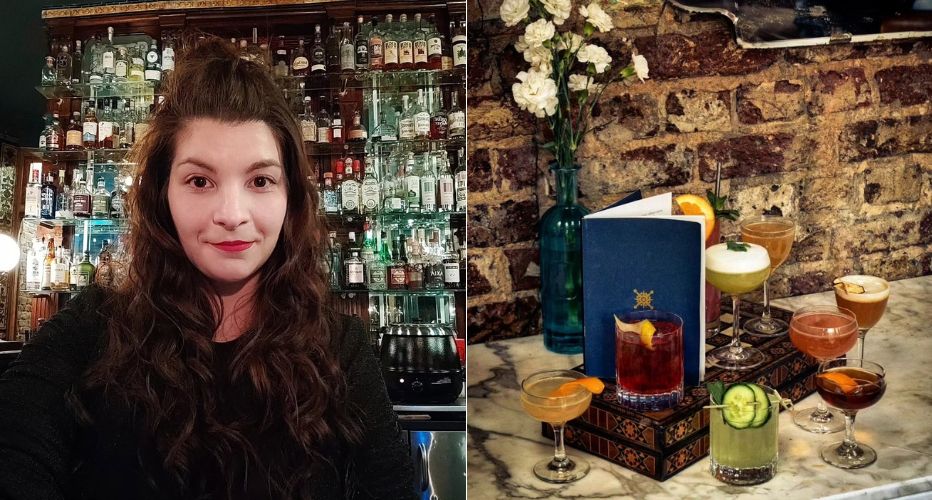
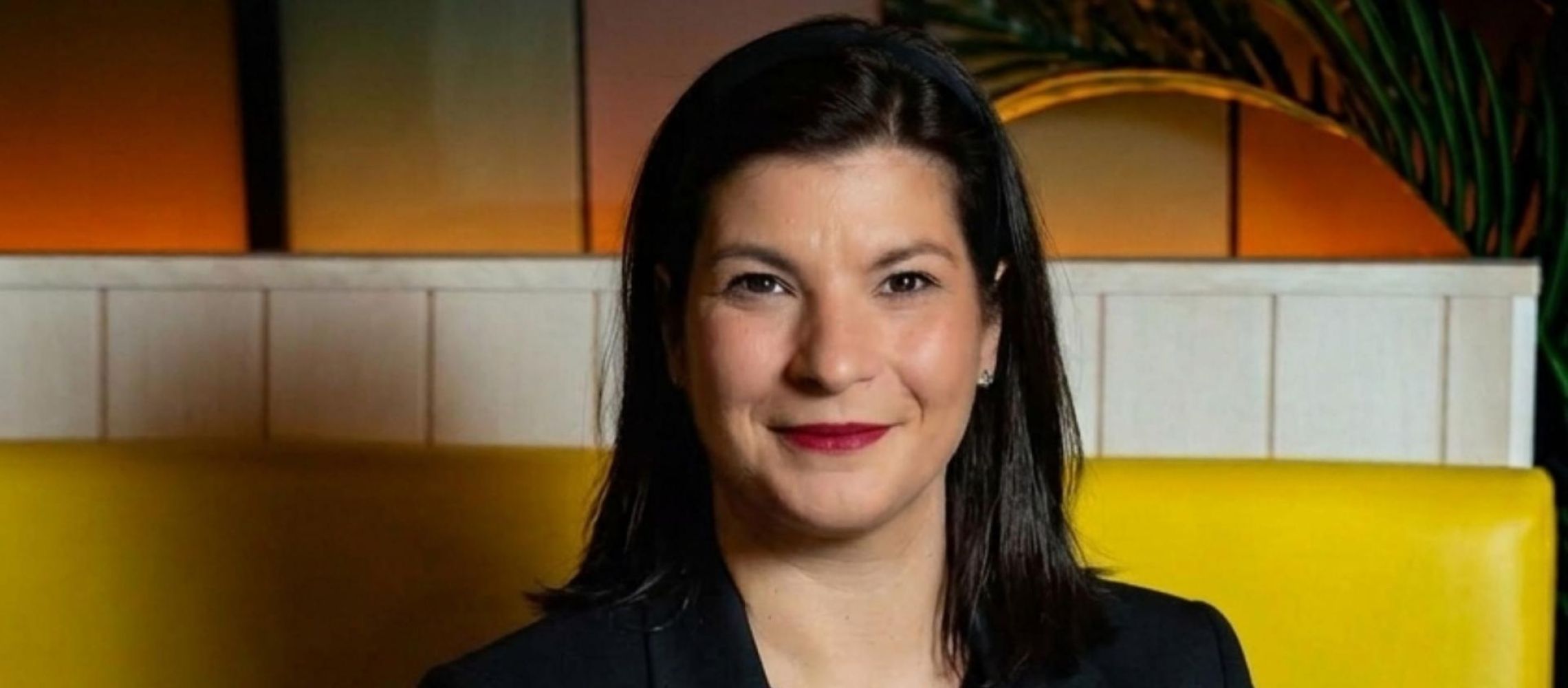
Image: Anna Gaglione at Racketeer London.
For me, it starts with reading the guest and asking the right questions. I look at the occasion and what they are actually interested in, rather than immediately recommending a drink.
Some guests want something familiar and straightforward, while others want to discover something new. The key is listening and adapting throughout the experience, sometimes guiding them towards something they might not normally choose, and sometimes knowing when not to overcomplicate things.
Ultimately, the recommendation should feel personal to the guest, rather than like a standard service or a particular product being pushed.
It’s about looking at the whole service, not just the drink itself. A cocktail needs to suit the occasion and the guest, but it also needs to work operationally: speed of service, consistency, preparation, and how easily the team can execute it under pressure.
I also consider whether it fits the venue and the style of service. A technically impressive drink isn’t necessarily the right drink if it slows the bar down or doesn’t make sense for the moment. The best drinks are the ones that balance quality, creativity and practicality.
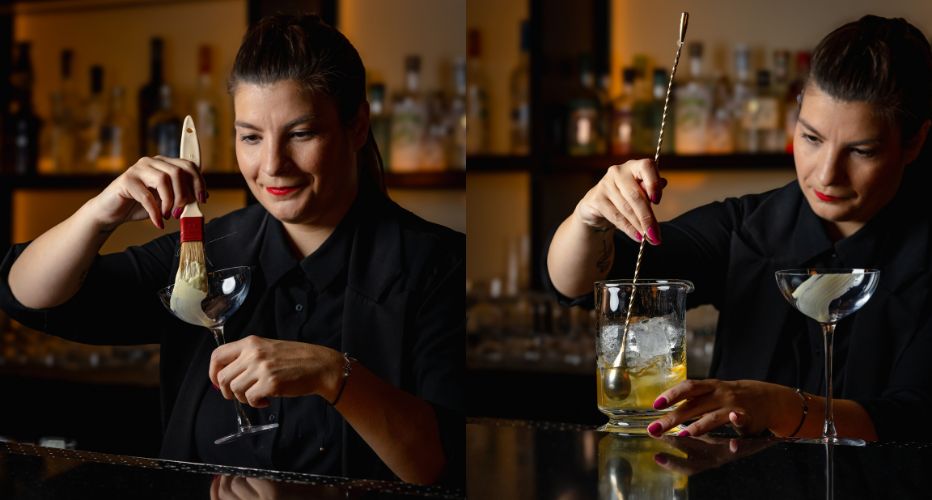
Tasting it neat is only the starting point. I want to understand how versatile it is, how it performs in cocktails, and whether its character actually adds something to a drink rather than getting lost.
I’d also look at consistency, quality, price, and availability, as well as how easy it is for a team to work with. Ultimately, I’m asking whether it brings something distinctive to a bar programme and whether there is a genuine reason for putting it on the back bar.
I think consistency comes from having clear standards and giving the team the right tools and training to understand them, rather than simply telling them what to do. Once the fundamentals are there, I would like bartenders to have the confidence to use their own personality and judgement.
For me, the goal is consistency in the quality of the experience, not making every interaction identical. Every bartender should know the standard we are aiming for, but still be able to read the guest and make the experience feel personal.
Working in service has taught me that the most impressive drink isn’t always the one guests remember. Technical skill and creativity are important, but if a drink is too complicated or difficult to understand, it can lose its purpose.
I’ve learned to value balance, clarity, and how a drink makes someone feel. A simple, well-executed cocktail that a guest genuinely enjoys can be more successful than something technically elaborate. In my opinion, a successful menu or bar experience is one that gives the guest something to discover, while still feeling welcoming and enjoyable.
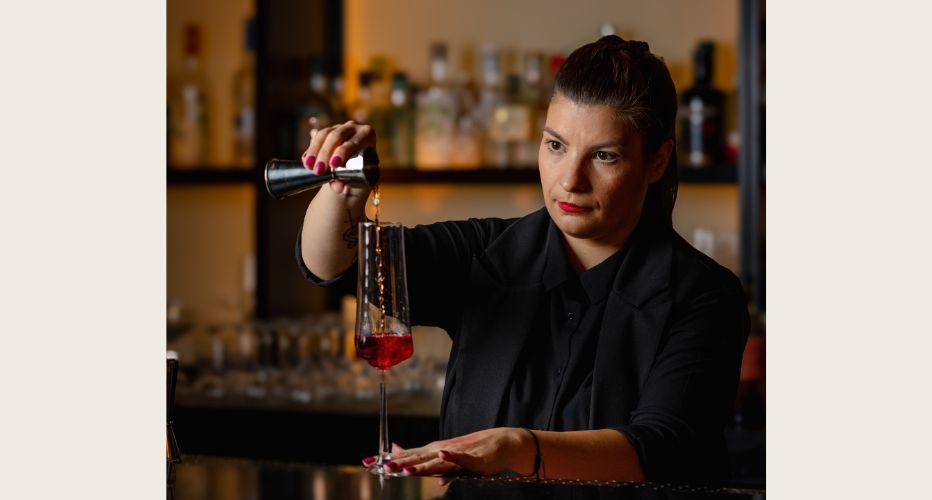
The value is about what a spirit brings overall. I look at how versatile it is, how easy and efficient it is to work with, and whether the team feels confident talking about and recommending it.
Most importantly, I look at the guest response. Are they enjoying it, choosing it again, and asking for it by name? If a spirit delivers a great experience, works well for the team, and creates repeat demand, then I think it offers genuine value beyond its price.
One of the biggest things is communication between the bar and the floor. It sounds simple, but when a bar is busy, a few seconds of unclear communication can quickly become a guest waiting too long, a drink being missed, or the wrong drink arriving.
Guests don’t see everything happening behind the scenes, so they just experience the delay. Good communication between the teams keeps the service flowing and makes a much bigger difference to the guest experience than people often realise.
[[relatedPurchasesItems-63]]
Probably Lego! People who know me through hospitality might not expect me to spend my time building detailed Lego sets. I find it strangely relaxing, especially after a busy week. There’s something about switching off, following the instructions, and focusing on something completely unrelated to work. I also love travelling, photography, and exploring architecture, so I guess I’m still drawn to anything creative, even when I’m not working.
In conversation with Malvika Patel, Editor and VP, Beverage Trade Network
Also Read:
UKBG President Claudia Carrozzi on the Future of Bartending
Building a Bar That Works Beyond the Concept
Why Great Bars Need Systems Before They Need More Creativity
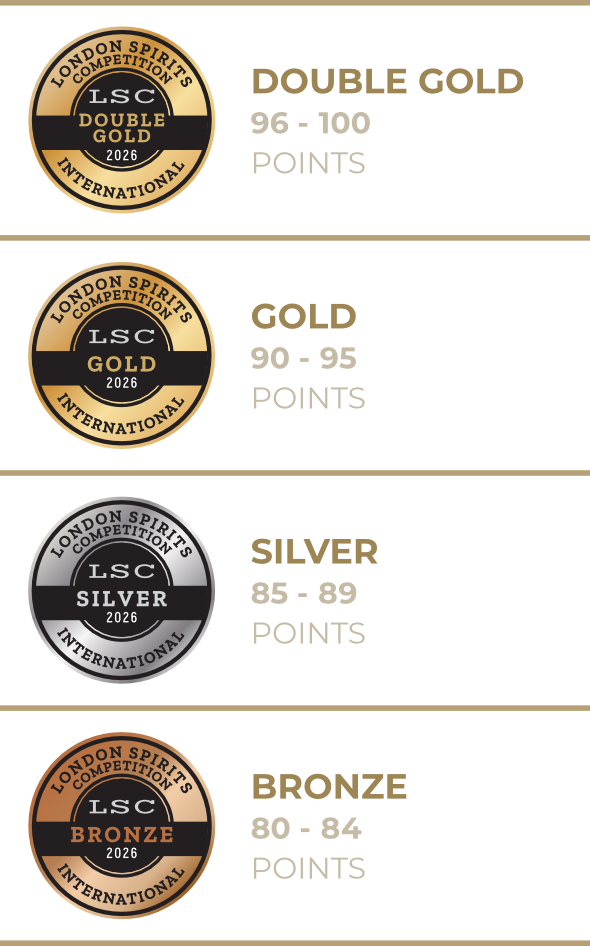
The 2027 London Spirits Competition gives every entrant greater feedback, transparency and valuable commercial insight. Entrants will receive an expanded score breakdown, constructive feedback on how to improve their spirits, guidance on how to market and sell them, the names of the judges who tasted their entries, final feedback from the Head Judge and a Buyer Market Intelligence Report.
Enter your spirits in the 10th edition of the London Spirits Competition.