Early Deadline
30 November 2026
Judging
Date
23 & 24 March 2027
Winners Announced
22 April 2027
30 November 2026
23 & 24 March 2027
22 April 2027

A cocktail can be clever, beautiful and technically impressive. That does not necessarily make it a good cocktail for a working bar.
For Marcello Cauda, creativity starts with understanding the purpose of the drink and the place it needs to occupy. A menu has to reflect its venue, surprise guests without losing them, work for the team behind the bar and make commercial sense once the room is busy.
That becomes more complex when you are managing multiple drinking spaces within a luxury hotel, each with its own identity and audience. At The Berkeley Bar & Terrace, local Belgravia businesses have inspired the current menu. At The Emory Rooftop Bar, perspective and the surrounding views have shaped a more visually driven approach, while the summer poolside concept takes an Italian-inspired direction.
For Cauda, the challenge is not choosing between creativity and practicality. It is finding a way for the two to work together, from the first idea through to the moment a guest takes the final sip.
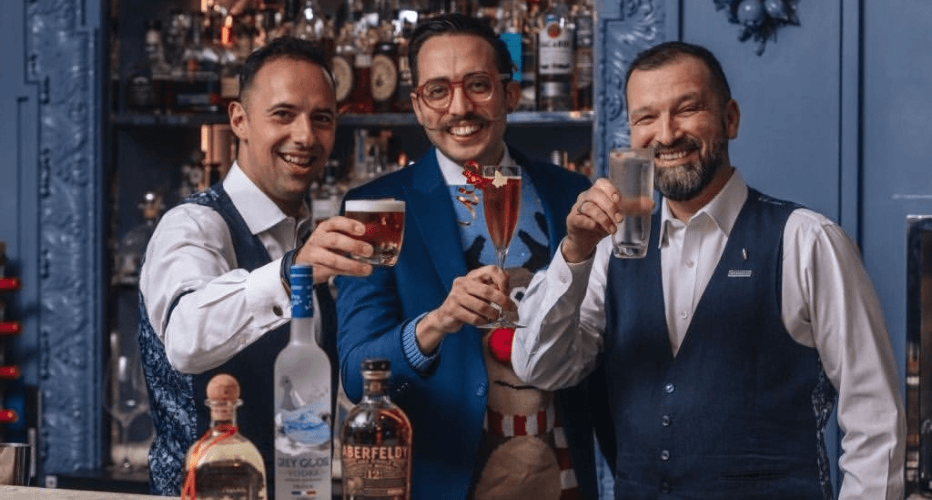
Image: Blue Bar at The Berkeley.
When I develop a new cocktail, I take many factors into consideration. The first question I ask myself is: what is the purpose of the drink? Is it for a new cocktail menu, a limited-time special, or a specific occasion? For example, if it is being created for Negroni Week, then the drink needs to remain recognisably a Negroni.
When developing a menu, we always begin with the overarching concept. I often start with a classic cocktail as the foundation and then look for ways to reinterpret or modernise it. Inspiration can come from almost anywhere. Sometimes it comes from an interesting flavour combination experienced in a restaurant, while other times it may be influenced by emerging food and drink trends. The goal is always to create something unique.
At the moment, for example, the cocktail menu at The Berkeley Bar & Terrace is inspired by our local community and neighbouring businesses. One cocktail is inspired by Rachel Vosper, the luxury candle maker that supplies candles to the hotel. We took some of the candle's signature aromas, including bergamot and orange blossom, and incorporated them into a twist on a Gimlet. To further connect the drink with the craft of candle making, the cocktail is aged in beeswax.
At The Emory Rooftop Bar, our current menu is inspired by the concept of perspective and the views surrounding us. This theme lends itself to visually striking presentations. One cocktail, for example, is served inside a reflective box that creates an optical illusion while concealing the drink within.
Equally important is involving the team throughout the creative process. Everyone's palate is different, and colleagues may identify flavours, balances, or opportunities that others miss. The key is never to stop exploring new ingredients and flavour combinations because you never know when the next great cocktail might be born.
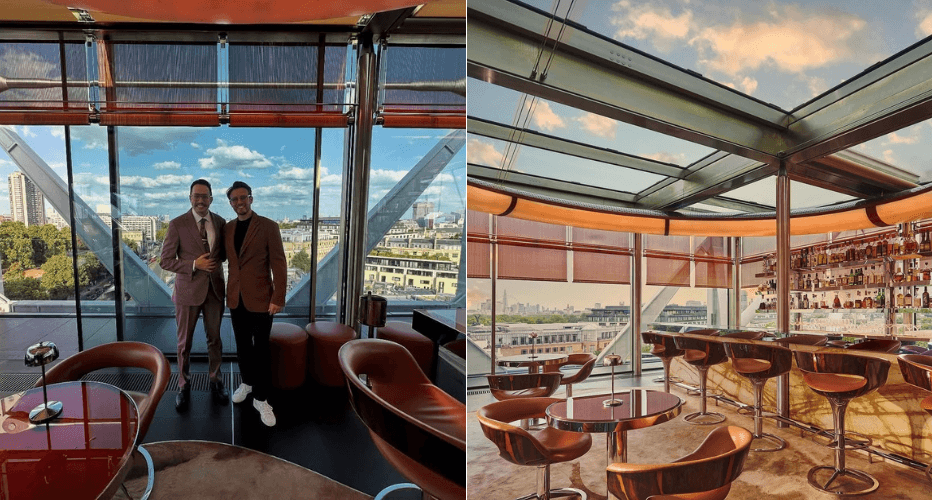
Image: Marcello Cauda at The Emory Rooftop Bar.
A successful cocktail menu needs balance. It should offer drinks that are approachable and familiar, alongside options that appeal to more adventurous or knowledgeable drinkers.
We are fortunate to have the freedom to experiment with a wide range of ingredients and techniques. Introducing an unexpected ingredient can create a memorable guest experience and offer something that cannot easily be found elsewhere.
For example, on our current menu, The Glance, we use cooked potato water in a twist on a Ramos Gin Fizz. The starch content helps create a rich, stable foam in a similar way to egg white or aquafaba, while also contributing a subtle savoury note to the drink.
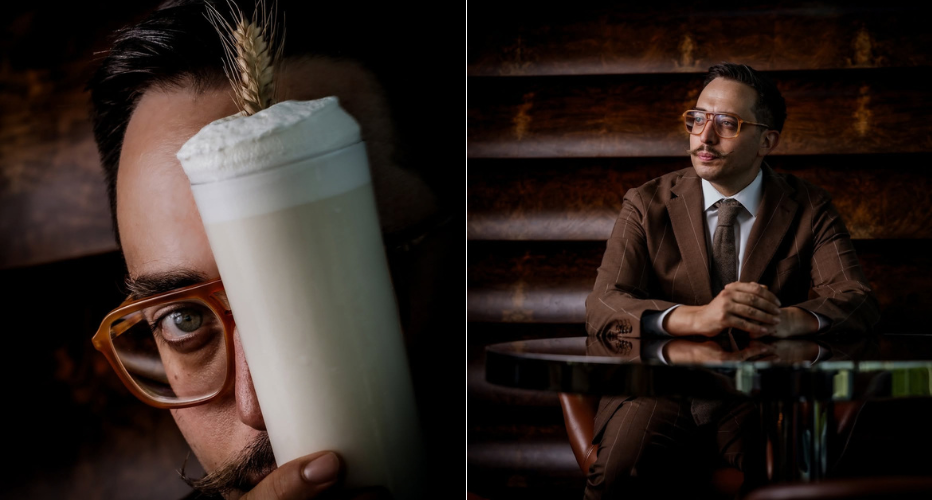
Image: The View - New Cocktails at @theemorylondon with @marcellocauda. Credit: Lateef | Photography
Working within Maybourne gives us access to an exceptional range of tools, equipment and expertise, allowing us to create unique ingredients and flavour combinations that help elevate the cocktail experience.
You have spoken about using familiar cocktails as a reference point for guests while still introducing more unexpected flavours. How do you decide which part of a drink should feel recognisable and which part can challenge the guest?
I think creativity often comes from playing with guest expectations. This could be through an unexpected flavour profile, a playful garnish, a bespoke glass, or a surprising presentation.
Cocktails are unique because they engage all the senses. Sometimes the creativity is in the liquid itself, while at other times it is in the way the drink is served or the story behind it. There are very few limits when it comes to creating memorable experiences.
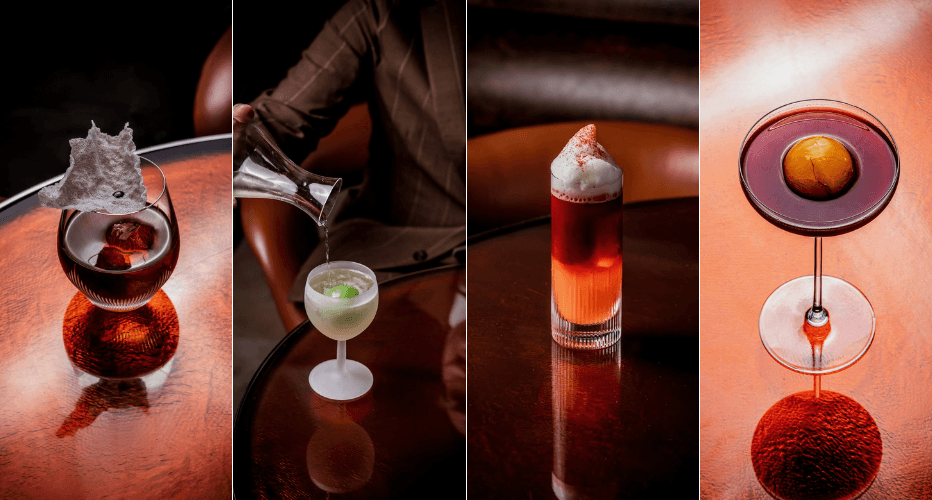
Image: The View - New Cocktails at @theemorylondon with @marcellocauda. Credit: Lateef | Photography
It is essential to create a menu that feels authentic to the bar it belongs to. At the same time, we have to be mindful of ingredient costs and ensure the menu is financially viable.
Understanding guest preferences is equally important. For example, experience tells us that a refreshing vodka cocktail with tropical flavours is likely to sell in greater numbers than a spirit-forward whisky cocktail served up. A successful menu needs the right balance of crowd-pleasers and more niche options.
We are also fortunate to work with outstanding spirits brands that support us when we want to develop unique serves, bespoke presentations, or innovative guest experiences.
Every venue should provide a distinctive drinking experience, particularly through its signature cocktail offering, which should reflect the venue's identity and atmosphere.
At The Berkeley Bar & Terrace, our cocktails are inspired by the local Belgravia community. At The Emory Rooftop Bar, the current menu takes inspiration from the concept of perspective and views, resulting in a more minimal and visually striking style. Meanwhile, our poolside venue embraces an Italian-inspired identity during the summer under the theme Capri in the City.
For classic cocktails, however, we maintain shared specifications across the property to ensure consistency. This approach guarantees that guests enjoy the same quality wherever they visit and also makes it easier for team members who move between venues.
Training is equally important. We host monthly spirit training sessions and provide opportunities for team members to undertake WSET qualifications, with strong SOPs helping to maintain high standards across all locations.
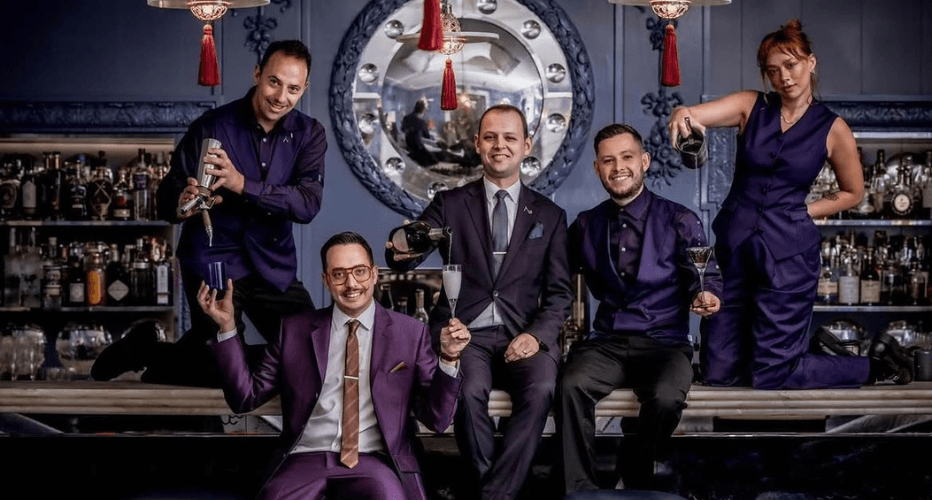
Image: Team Spirit - Blue Bar at The Berkeley. Credit: Lateef | Photography
Having managed multiple outlets within a five-star hotel environment, I think one of the biggest misconceptions is that a spirit that performs well in a tasting or creates an impressive presentation will automatically translate into a successful bar programme.
In a luxury hotel setting, we have to consider the bigger picture. A spirit must deliver not only on quality and storytelling, but also across different outlets, guest profiles and service styles. It needs to perform consistently in cocktails, be approachable for bartending teams, fit operational requirements, and ultimately contribute to an experience guests want to repeat.
From a management perspective, consistency and practicality are just as important as the liquid itself. We consider factors such as staff training, speed of service, menu placement, cost control, stock management, and the ability to maintain a consistent guest experience across multiple outlets.
The strongest spirits brands, in my experience, are those that understand the realities of hospitality. They provide enough education and inspiration to communicate their story effectively, while giving bartenders the flexibility to create drinks that suit their venue and clientele.
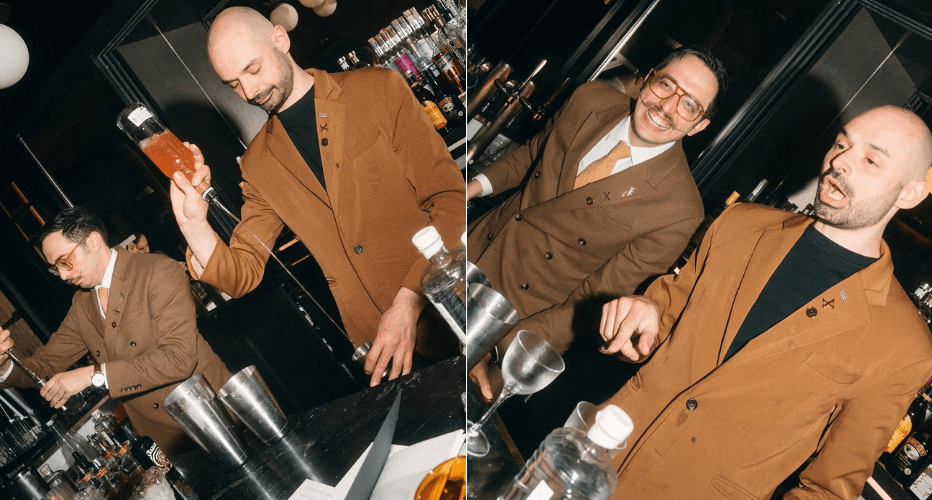
Image: Marcello Cauda - The Caley Bar At the Caledonian Hotel
Every detail matters. The goal should always be to create a memorable guest experience.
Not every guest arrives wanting to hear the story behind a cocktail menu. Some simply want to enjoy their favourite drink or take a break from their daily routine. That is why every touchpoint matters, from the lighting and interior design to the staff uniforms and service style. Together, these elements shape how guests feel during their visit.
Consistency is equally important. Guests should receive the same high-quality drink and experience every time they return.
The best hospitality is genuinely attentive without being intrusive. Exceptional teams anticipate a guest's needs naturally, without making service feel scripted. For me, this has reinforced the idea that hospitality is ultimately about how you make people feel. Technical excellence is important, but it is often the small moments of recognition, timing, and attention that transform a good experience into an exceptional one.
[[relatedPurchasesItems-67]]
Cycling is my way of switching off and recharging. I started during the COVID pandemic and have never stopped since. On average, I cycle around 100 kilometres each week.
Interestingly, many people within the hospitality industry share the same passion. It provides a great balance to the demands of the profession, offering both a physical challenge and an opportunity to clear the mind outside of work.
Source of Header and other images: Marcello Cauda
In conversation with Malvika Patel, Editor and VP, Beverage Trade Network
Also Read:
The Luxury of Making It Feel Effortless
The Guest Comes First: Anna Gaglione on Reading the Room, Running a Bar and Modern Hospitality
Building a Bar That Works Beyond the Concept
The 2027 London Spirits Competition gives every entrant greater feedback, transparency and valuable commercial insight. Entrants will receive an expanded score breakdown, constructive feedback on how to improve their spirits, guidance on how to market and sell them, the names of the judges who tasted their entries, final feedback from the Head Judge and a Buyer Market Intelligence Report.
Enter your spirits in the 10th edition of the London Spirits Competition.