Early Deadline
30 November 2026
Judging
Date
23 & 24 March 2027
Winners Announced
22 April 2027
30 November 2026
23 & 24 March 2027
22 April 2027
What makes a bar genuinely exceptional? For Salvatore Megna, it is not the price of the back bar, the precision of the glassware, or the technical complexity of the cocktails. It is how the guest feels.
With more than 15 years of experience across luxury hospitality, including Nobu, Bulgari Hotels & Resorts, The Stafford London and Firmdale Hotels, Megna has worked in environments with very different identities and expectations. Across them all, his approach remains consistent: creativity must work in live service, technique must serve flavour, and luxury should feel personal rather than rehearsed.
As Bar Manager at Haymarket hotel, Megna discusses what separates polished hospitality from exceptional hospitality, why a cocktail menu has to survive a Friday night, and how bartenders can balance creativity with commercial reality.
For me, the difference is how the guest feels, not how perfect the room looks.
You can have beautiful glassware, perfect lighting, an expensive back bar, and technically flawless cocktails, but if the service feels rehearsed or impersonal, it is still only a polished bar.
The exceptional places have personality. The team understands when to engage, when to step back, when to recommend something, and when to simply let the guest enjoy the moment. People remember how comfortable you made them feel much more than whether every detail was technically perfect.
Luxury, for me, is when all the difficult work happening behind the scenes feels effortless to the guest.
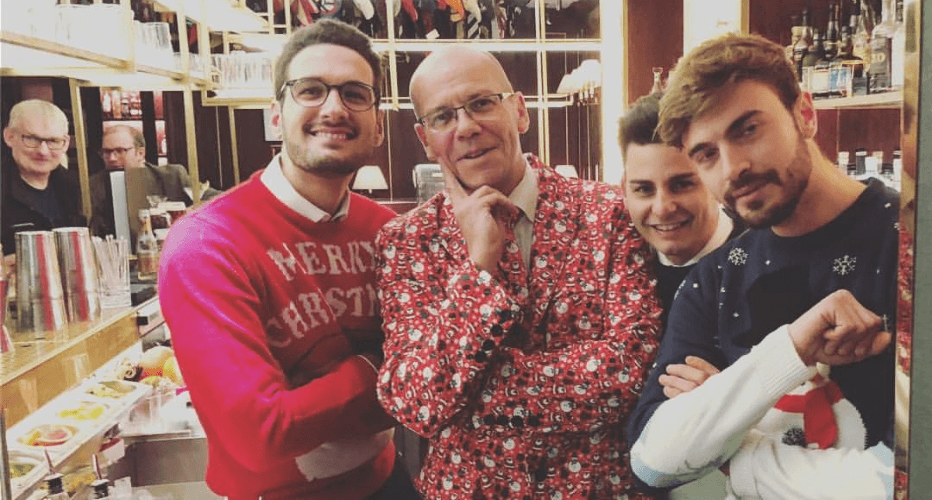
Image: The Team in the American bar at the Stafford London.
I normally start with the guest and the operation, not with the technique.
A cocktail can be incredibly creative, but if it requires eight minutes to make, five complicated preparations, and only one bartender knows how to execute it properly, then commercially it is not a good cocktail.
When I create a menu, I look at several things at the same time: flavour, cost, preparation time, shelf life, service speed, and whether the whole team can reproduce it consistently.
I also think about the menu as a whole. You cannot have twelve drinks that all require complicated preparation. Some can be more technical, while others need to be extremely efficient during a busy service.
Creativity has to survive a Friday night. If it only works during a tasting session, it is not finished yet.
I think the identity of the property should always be visible in the drinks programme, but it should influence creativity rather than control it.
At Nobu, for example, the food, Japanese ingredients and style of service naturally influence the beverage programme. At a traditional luxury hotel like The Stafford, the history of the property and the expectations of the guests create a very different environment. Firmdale again has its own personality: more colourful, design-led and less formal.
The important thing is understanding the DNA of the place without turning it into a theme.
If every drink is trying too hard to reference the hotel, its history or the restaurant concept, the menu can start feeling forced. Guests still want a great Margarita, Martini, or Old Fashioned.
The brand should give you a language to work with, not a set of handcuffs.
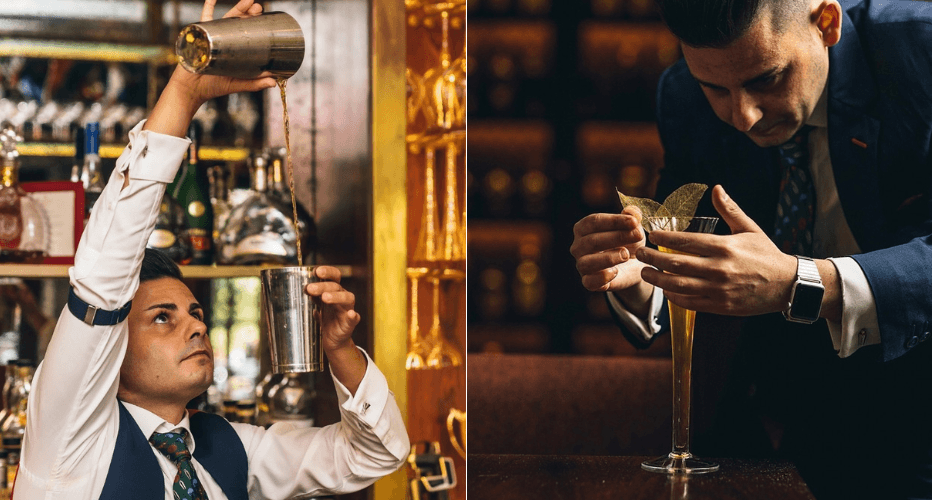
Image: Salvatore Megna
Sometimes we forget that the purpose of a cocktail is to taste good.
Technique is useful when it improves flavour, texture, consistency, or the guest experience. But technique for the sake of showing technique can easily become distracting.
If you understand why a Daiquiri, Manhattan, Negroni, or Martini works, you already understand a huge amount about balance and cocktail structure.
I think young bartenders should learn those foundations first. Once you understand them properly, you can break the rules intelligently.
The best modern cocktails often look innovative, but underneath there is usually a very classical structure holding everything together.
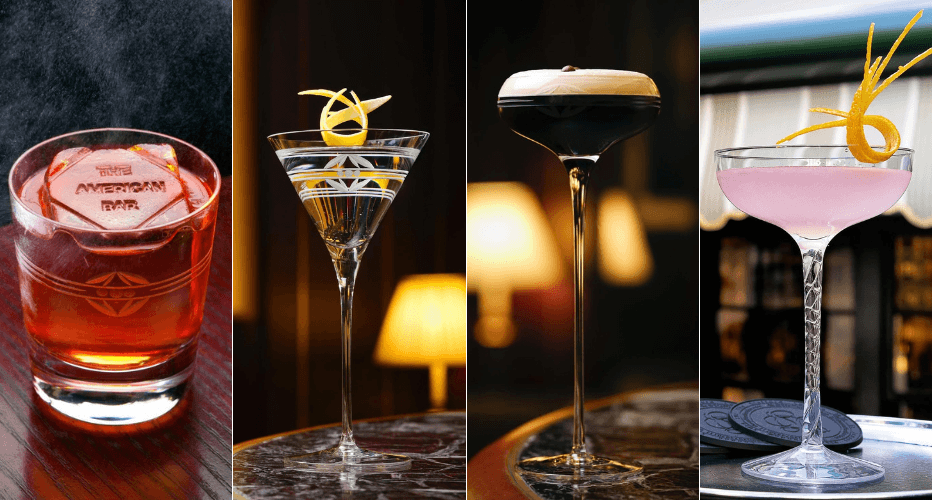
Image Source: The American Bar, Stafford London.
Technical ability is only the beginning.
A very good bartender notices things. They notice the guest who wants attention and the guest who wants privacy. They see that another bartender is struggling before they are asked to help. They understand what is happening across the whole room, not just at their own station.
I always tell teams that hospitality is not simply making drinks for people. It is understanding people.
The strongest bartenders also make the people around them better. They communicate, they stay calm under pressure, they help the team, and they take responsibility.
You can teach someone how to make a cocktail. Teaching awareness, generosity, and emotional intelligence is much more difficult.
First of all, the liquid has to be good. Everything starts there.
After that, I look for a relationship that actually makes sense for both sides. I am much more interested in brands that want to understand the bar, the guests, and what we are trying to achieve rather than simply pushing for visibility on a menu.
Education is important as well. If a brand can help my team understand the category, the production, and the story behind the liquid, they become much more confident selling it.
I also value consistency and honesty. Some of the strongest relationships I have had with brands developed over years because there was trust on both sides.
A bottle on a menu is temporary. A genuine partnership can create training, events, experiences, and opportunities for the team as well as the brand.
[[relatedPurchasesItems-67]]
I think luxury has definitely become less formal.
Earlier in my career, there was sometimes an idea that luxury service had to look very precise, very structured, and almost ceremonial.
Those standards still matter, but today guests also want warmth, personality, and authenticity.
They do not necessarily want somebody standing in front of them delivering a perfect script. They want someone who understands them quickly and makes the experience feel natural.
For me, modern luxury is recognition, anticipation and personalisation.
Knowing somebody’s favourite drink, remembering where they like to sit, or simply recognising what kind of evening they want can be more powerful than a very formal style of service.
The standards behind the scenes should still be extremely high. The difference is that the guest should not feel the effort.
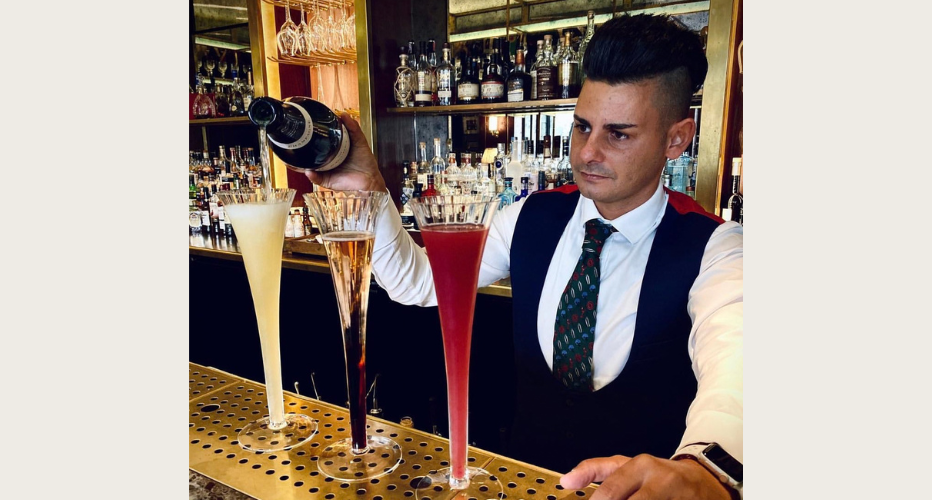
Image: Salvator Megna at the Stafford London.
Probably analysing the stock market.
People who know me only from hospitality might expect me to spend my days off visiting cocktail bars, but quite often I will be sitting somewhere looking at companies, earnings, valuations, and what the market is doing.
I actually enjoy the analytical side of it.
In some ways it is not completely different from running a bar: you are constantly looking at numbers, performance, risk, opportunities, and trying to understand what is happening before making a decision.
Either that, or I am at the gym trying to compensate for fifteen years of tasting cocktails.
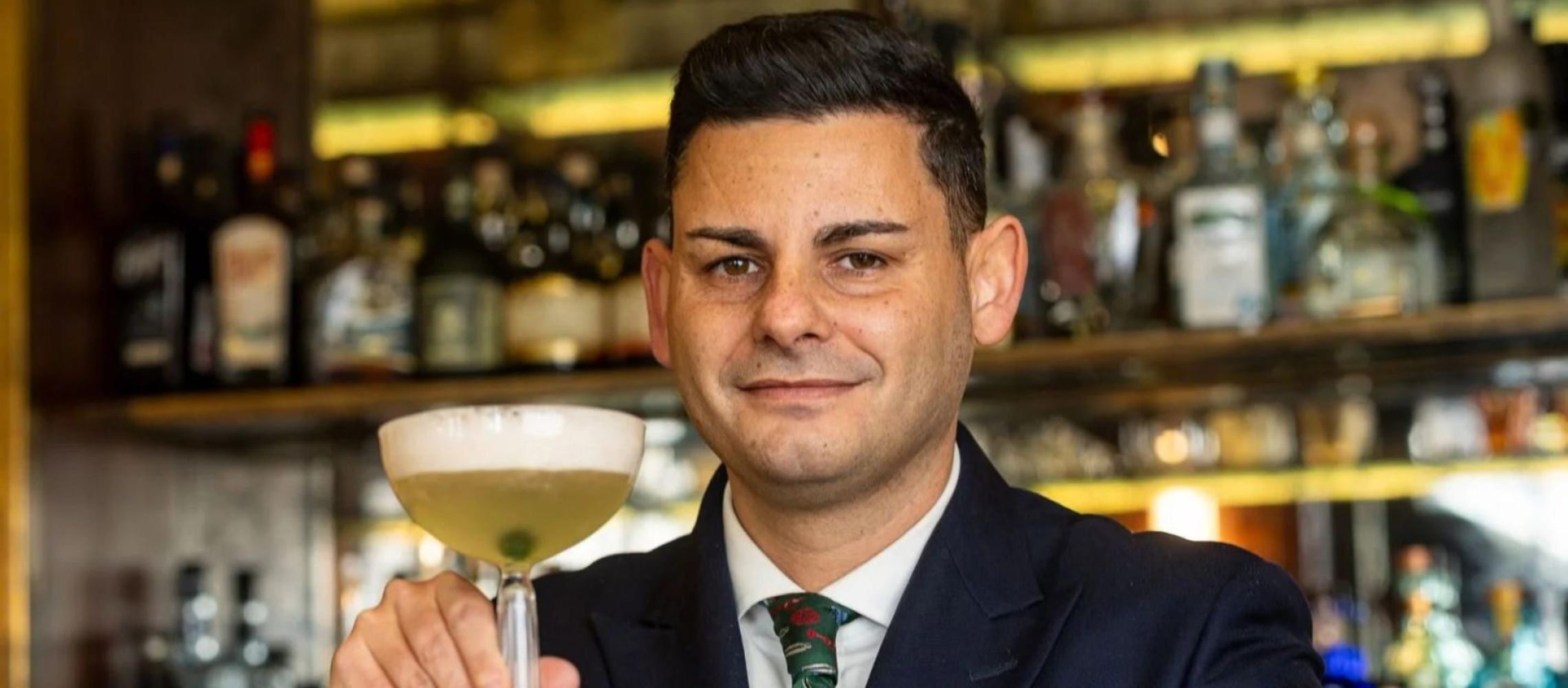
Header Image: Salvatore Megna with cocktail "Green Pearl". Source: Seatrus Gin
In conversation with Malvika Patel, Editor and VP, Beverage Trade Network
Also Read:
The Guest Comes First: Anna Gaglione on Reading the Room, Running a Bar and Modern Hospitality
Building a Bar That Works Beyond the Concept
The Cocktails Dominating London Bars This Summer
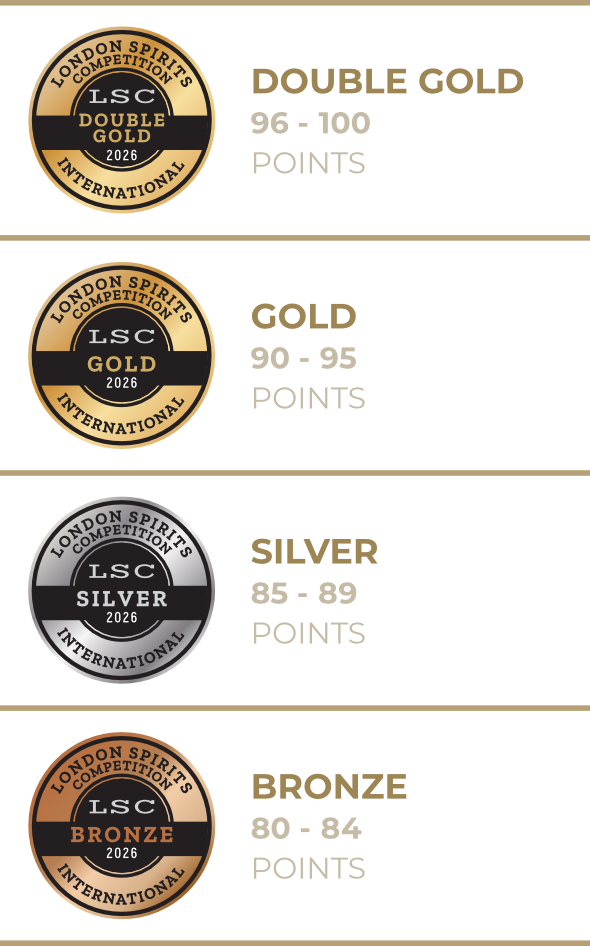
The 2027 London Spirits Competition gives every entrant greater feedback, transparency and valuable commercial insight. Entrants will receive an expanded score breakdown, constructive feedback on how to improve their spirits, guidance on how to market and sell them, the names of the judges who tasted their entries, final feedback from the Head Judge and a Buyer Market Intelligence Report.
Enter your spirits in the 10th edition of the London Spirits Competition.